
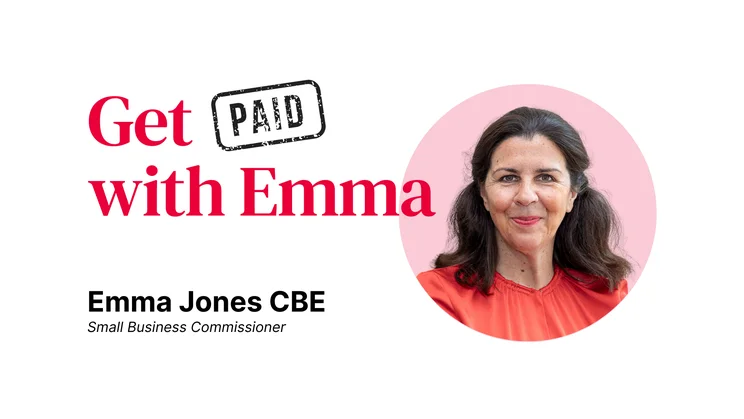
In an exclusive column, Emma Jones CBE discusses her work tackling late payment practices, offering practical insights to help small businesses get paid what they’re owed.
What makes a great company culture? Research has shown that respect, fairness, pride, values, and innovation are key.
When I talk to the large businesses on the Fair Payment Code about why they applied and what it means to them to be an Awardee, time and time again, they tell me that paying fairly is part of their business culture.
These are business leaders who know that if they want to succeed, they need to build a positive culture – not just internally, but throughout their supply chain. And that includes the businesses of all sizes that they work with.
For example, Ken McHugo, Head of Supply Chain at NatWest Group, told me: “We know first-hand from our business banking customers how important prompt payment is to cash flow, success and growth. By being a Gold Awardee on the Fair Payment Code, we have shown our commitment to supporting suppliers through our efficient payment processes.”
A culture of respect and fairness is driven from the top.
Pride in being a strong British brand was a key reason that Lloyds Banking Group applied to the Fair Payment Code. Paying their suppliers within agreed terms supports the thousands of businesses that are part of their supply chain, and supports their mission to “Help Britain Prosper.”
At an ICAEW event I chaired recently, I heard Jonathan Lee, Finance and Investment Operations Director at Aviva, speak passionately about Aviva’s whole team effort to be awarded Gold on the Fair Payment Code. Although paying suppliers on time has always been really important to Aviva, the scale of this effort cannot be underestimated.
He told the audience: “We process over 450,000 invoices annually, totalling £2 billion. Making sure these are paid promptly is due to excellent staff and robust processes.”
Innovation is often the unsung hero of payment success in large businesses. Businesses committing to update, adapt and sometimes even completely replace systems in order to change their payment culture should be praised.
Do large companies still have more to do? Absolutely yes. That’s why I’m committed to changing not just the culture of one or two businesses, but to the whole of UK business culture and getting money moving.

Emma Jones – Small Business Commissioner
Emma Jones advocates for SMEs in the UK, ensuring they receive the resources they need to grow. With a degree in Law and Japanese, Emma has spent the last 25 years founding and leading multiple ventures, including Enterprise Nation and StartUp Britain, before being appointed as the Small Business Commissioner for the Department for Business and Trade in June 2025.
This content is contributed by a guest author. Startups.co.uk / MVF does not endorse or take responsibility for any views, advice, analysis or claims made within this post.

