
Hospitality operators are switching to inclusive plant-forward menus to suit changing “flexitarian” taste buds.
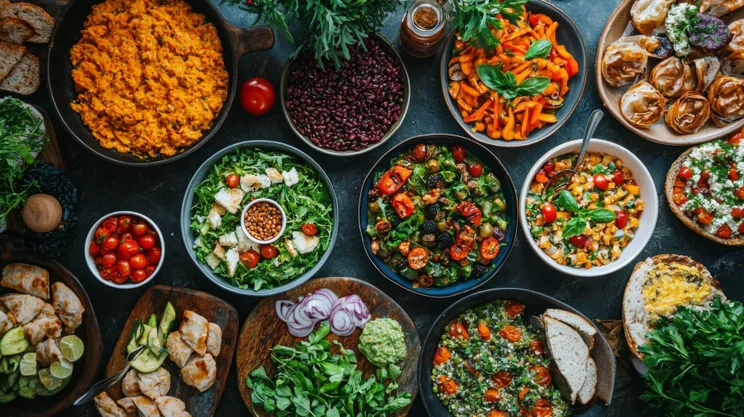
According to UKHospitality’s 2026 trend report, “plant-forward” dining is expected to influence a widespread shift across the industry this year. As strict vegan diets become less common, a larger group of flexitarians – diners who favour a balance of both meat and plant-based dishes – are now shaping menus.
Perhaps in quiet rebellion against the strict veganism of previous years, 2025 was defined as the year of protein. Meat-heavy menus and high-protein hacks dominated both social media and restaurant menus.
However, 2026 appears to be a little more moderate, as this data suggests the future of eating out isn’t all-or-nothing.
For hospitality businesses, this raises a practical question: what does plant-forward dining actually mean, and how should you adapt your menu to stay competitive?
What does “plant-forward” mean, and why is it trending?
Plant-forward dining doesn’t mean wiping out meat from your menus entirely. Instead, it refers to an approach where plant-based ingredients are central to menu design, rather than treated as an afterthought.
Rather than adding a token vegan option just to tick a box, food and beverage businesses are integrating vegetables, grains, and plant-based proteins into staple dishes, often in ways that feel familiar and comforting. This might look like reimagined pub classics or creative, globally inspired small plates, rather than overly health-conscious, “clean” vegan salad bowls.
Diners increasingly want food that is flavour-led, inclusive, and recognisable, not dishes that feel like a compromise or, frankly, boring. Global flavours can work seamlessly here. Korean-style sauces, Middle Eastern spices, and street food-inspired ingredients help plant-forward dishes remain indulgent and familiar, without becoming unnecessarily complex.
UKHospitality’s report notes that operators are rethinking how plant-based dishes appear on menus, keeping them visible, appealing, and varied.
How to decide if your menu needs a plant-forward upgrade
For many hospitality businesses, the issue isn’t a lack of plant-based options; it’s how they’re presented on the menu.
Often, plant-based dishes are buried in a separate vegan section that offers limited choice or lacks the flavour and oomph of meatier options. Many businesses also fall into thinking that “plant-based” equals “something green”, but crucially, diners are increasingly looking for plant-forward options that appeal to a wide range of taste buds across various contexts.
Of course, it’s worth acknowledging that many hospitality businesses are operating under increasingly tough cost pressures, facing ever-rising food prices, energy bills, and job losses.
For some, a full menu overhaul may not feel like a priority as they focus on getting out of the woods. However, plant-forward dining can also work out more cost-effectively. Working with cheaper ingredients like potatoes, grains, and veggies over pricier meat and fish might work in operators’ favour, at no cost to customer appeal.
How hospitality businesses can adapt to plant-forward demand
For pubs and restaurants looking to respond to this trend, menu integration is key. Position plant-forward dishes alongside classics, rather than isolating them in a separate section.
UKHospitality notes that group dining has become a major driver, where appealing plant-based options determine where the entire group chooses to eat. By signalling that you can offer both, you’ll win over vegan-leaning customers and their friends, too.
Aside from labels, your number one focus should be flavour. Bold seasoning and globally inspired dishes will help plant-forward dishes stand out alongside meatier favourites. But this doesn’t require complexity. Building dishes around cost-effective, seasonal, and local ingredients reduces pressure on kitchens and supply chains.
If you do embark on a plant-forward menu makeover, make sure your community hears about it by highlighting your plant-forward options online, on delivery platforms, and on your physical menus.
In practice, plant-forward dining can offer flexibility on both sides of the table. For consumers, it reflects changing tastes and a desire for options without rigid dietary labels. For hospitality businesses, it can offer much-needed breathing room to adapt to cost pressures while appealing to a broader set of diners without needing to commit to all-or-nothing changes.

Discover the ales and ails of hospitality
Planet of the Grapes founder Matt Harris has over 25 years of experience in hospitality. Read his bi-monthly column for Startups now.


