
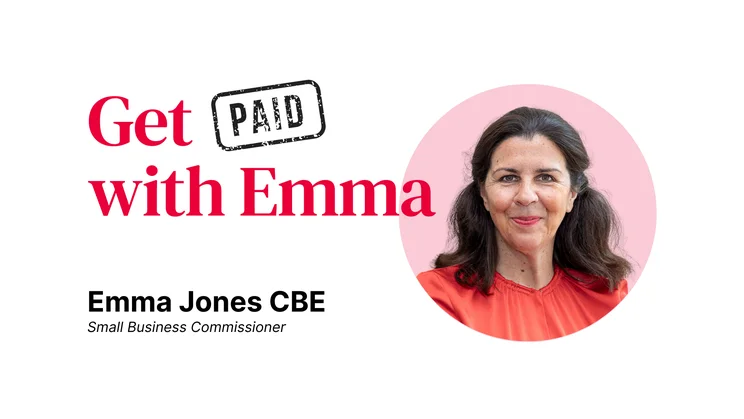
In an exclusive column, Emma Jones CBE discusses her work tackling late payment practices, offering practical insights to help small businesses get paid what they’re owed.
Often, a late payment from a client is out of your control. It is an issue at their end, which is your frustrating job to chase.
But sometimes a simple mistake is made, which goes on to cause major headaches for all involved. Here are a few I have come across which you can avoid and gain peace of mind.
1. No negotiation
Negotiation is an important part of every business relationship, and most businesses expect it. Never take on work without fully understanding the terms and conditions, including payment terms.
Entrepreneurs often say “know your own worth” but this isn’t the same as knowing the minimum you are willing to accept for a project. Knowing your worth gives you a starting point so you can come up with a figure, make the opening offer, and take control of the negotiation. If you are willing to accept less than that figure, it’s important that the client understands that their offer is below your value.
2. A bad contract
Having a written contract is one of the most important tools you can use to protect yourself against late payments. Make sure you write down what’s been agreed, in a simple, clear way that everyone understands, so that both parties understand the agreement and responsibilities of those involved. A business owner once said to me “contract for the marriage, not the divorce” – whatever your size, you’re an equal partner. Having a good contract makes that clear.
3. Typos on the invoice
As more businesses move towards e-invoicing, invoice typos are becoming less of an issue, although I do know of one company who entered the wrong information to their payment system. This led to all invoices having an error, which resulted in chaos, confusion, and late payments!
Those issues are rare, but a mis-typed PO number or an invoice missing key information is surprisingly common. Good invoices include:
- Invoice date
- Invoice number
- Purchase order number (if you’ve been given one)
- The work completed that the invoice relates to
- Total fee (with details of VAT if applicable)
- Payment due date
- Payment terms, as agreed in the contract
- Bank account details
4. Poor communication
Communication is key. In all business relationships you need to establish clear lines of communication from the off. Remember the person commissioning the work may not be the one handling payments. Smaller businesses might have one person for both tasks, whereas larger businesses typically have separate processes. Make sure you are reaching out to the right person or department. If you are not sure, ask as early as possible. And if you don’t hear anything, then chase it!
You can see advice on all the subjects mentioned above on the Small Business Commissioner website.

Emma Jones CBE – Small Business Commissioner
Emma Jones advocates for SMEs in the UK, ensuring they receive the resources they need to grow. With a degree in Law and Japanese, Emma has spent the last 25 years founding and leading multiple ventures, including Enterprise Nation and StartUp Britain, before being appointed as the Small Business Commissioner for the Department for Business and Trade in June 2025.
This content is contributed by a guest author. Startups.co.uk / MVF does not endorse or take responsibility for any views, advice, analysis or claims made within this post.

