A new bill designed to crack down on late payments has entered the Committee Stage, but will it be enough to end invoice-chasing for good?
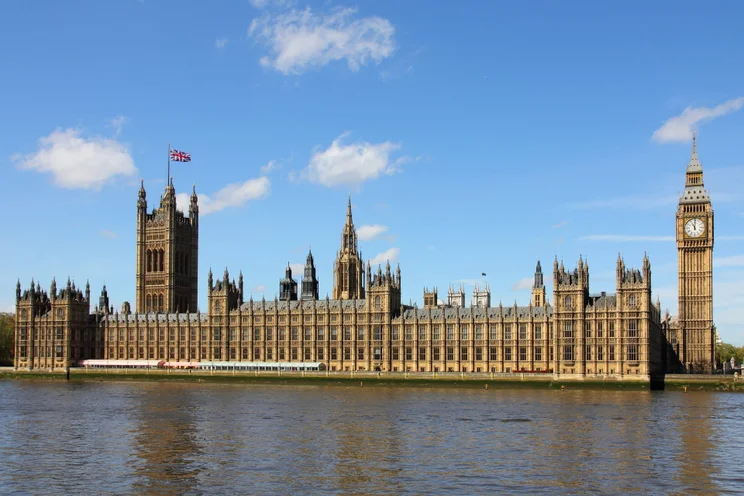
The Commercial Payments Bill, designed to force big companies to pay smaller suppliers and freelancers faster and make that cap legally binding, officially entered the Committee Stage at the House of Lords this week.
Similar legislation has already been met with success in Japan and the Netherlands, but the UK’s approaching bill goes one step further by pairing a mandatory 60-day cap with non-waivering interest, all backed up by an empowered Small Business Commissioner.
With small businesses being owed an estimated £70.4bn in late payments, it’s no surprise the bill is being welcomed with open arms. However, as previous attempts like the Fair Payment Code have shown, a law is only as strong as its enforcement, so we also look at what freelancers can do today to protect their cash flow.
Inside the bill: what’s changing for freelancers?
For small suppliers and freelancers, the frustration of being sat on unpaid invoices is almost universal, with data from the Federation of Small Businesses showing that over half of UK small-to-medium-sized businesses (SMBs) experience late payments regularly.
With the impact of late payments rippling out to the wider economy, the government has stepped into action. The upcoming Commercial Payments Bill, which began being examined by members of the House of Lords on the 21st of July, will strengthen existing laws around cracking down on delayed payments.
In addition, the bill also introduces a legally binding 60-day cap for large firms paying smaller suppliers, mandatory interest on anything paid late, and penalties for clients who raise last-minute invoice disputes to buy more time.
The new piece of legislation will also give the Small Business Commissioner new powers to adjudicate payment disputes, and provide freelancers with a genuine, hard-hitting route to enforcement.
Speaking to Startups.com, Small Business Commissioner Emma Jones welcomed the bill’s progress:
“It is exciting to see the Bill tackling late payments going through the Committee Stage in Parliament this week. Currently, late payments cost the UK economy £11 billion a year, with founders spending over 86 hours chasing overdue invoices.
“I am committed to get money moving in the economy and free up small businesses’ time to grow and thrive. Ending late payments will be critical to realising this goal, and this Bill is on the path to achieve this.”
For freelancers, these changes mark a meaningful shift: less time wasted chasing unpaid invoices, and real financial consequences for clients who drag their feet.
How similar laws around late payments have worked elsewhere
The UK isn’t the only nation to enshrine payment protections into law. At least 54 countries already have some form of law restricting maximum payment terms in place, whether for government or private contracts.
In Japan, proactive government enforcement slashed the rate of late payments from 25% of businesses affected to 12% in 18 years.
Similar results were recorded in the Netherlands. After the government introduced a law capping payment terms at 30 days in (insert date), the country achieved the lowest rates of payment problems in the EU, with just 31% of companies being affected.
What’s more, a report by the Enterprise Research Centre has found that the UK’s upcoming Commercial Payment Bill intends to go further than anything implemented in the G7 or the EU, by combining a mandatory cap with non-waivable interest and an empowered regulator.
However, this doesn’t mean challenges don’t remain.
Here’s how to get control over your payments today
While the bill has widely been met with optimism, according to Phillip King, the interim Small Business Commissioner during the pandemic, the problem lies in enforcement.
King warns that the Government’s previous attempts to resolve the issue fell flat because they weren’t enforced properly:
“There’s all sorts of risks, it needs to be done really carefully. And enforcement is really important. If there’s a clear set of rules and an accountability factor to it, I think that would push things forward,” he told The Times.
King should know better than most. During his time as Small Business Commissioner, he set up the Prompt Payment Code, a voluntary scheme which relied on companies self-reporting their payment practices – but with no real consequences for ignoring it.
This time could be different, though. The legislation currently making its way through Parliament isn’t voluntary, and involves strict enforcement and mandatory reporting – safeguards that codes never had.
Either way, for freelancers wanting to get ahead of their invoices today, there are steps you can take to take the control back, according to Emma Jones.
Of course, clear contract terms that set out reasonable payment timelines are essential. You should also always ask for a purchase order (PO) number before you start work, to ensure your invoices don’t get lost in large payment systems.
Automating your chasing with accounting software is also highly advised, as is sending off “polite-but-firm reminders” given days before an invoice is due.
If you have an outstanding late payment, and you’re getting nowhere with your avenues of contact, reaching out over social media to senior members of the company is often highly effective.
Jones also heavily encourages making contact with her office, and well before it becomes a serious financial strain on your business. If you suspect a large client is taking you for a ride, or simply stops replying to you once your payment is due, report them directly to the Small Business Commissioner’s office.
Ultimately, there is hope that these workarounds become less necessary when the new law is finally in place.
But until then, freelancers are best served treating the upcoming bill as a work in progress rather than a done deal, and staying on top of their invoicing habits in the meantime.