
Extreme heat is hurting pubs, restaurants, and cafes. Here’s how to keep a cool head this summer.
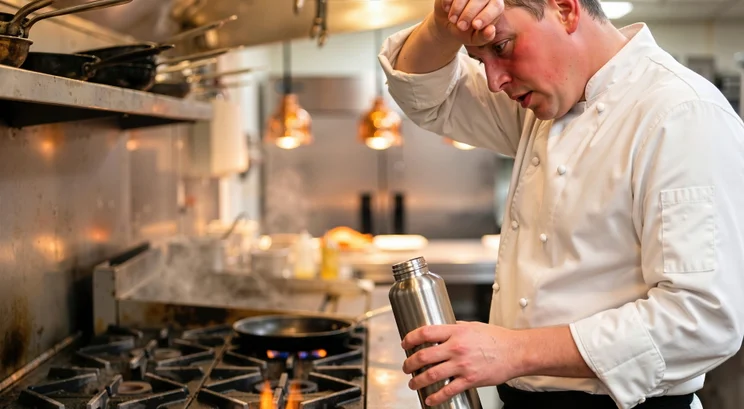
A new heatwave is seeing temperatures soar to dizzying highs of 35C in some parts of England this week, leaving hospitality business owners scrambling to make conditions bearable for staff and customers.
With only 3% of pubs, restaurants, and cafes having registered as having air conditioning on Where’s Cool, many business owners are resorting to emergency measures like scrapping certain dishes from the menu, reducing staff hours, or temporarily closing their shutters.
And for businesses looking to invest in air conditioning units in response to the extreme weather, obstacles remain – from steep up-front costs to lengthy planning permission delays.
Between rising costs and staff shortages, hospitality owners have enough to sweat about this summer. But with heatwaves becoming the norm rather than the exception, doing nothing is no longer an option.
Hospitality owners are feeling the heat as temperatures continue to soar
The UK is entering its fourth heatwave of the year, marking an unprecedented run for the climate, as well as a mounting crisis for hospitality managers.
While many restaurants, pubs, and cafes have been making do with temporary measures like standalone fans and increasing shade, these stopgaps are no longer capable of keeping pace with severe heatwaves. As a result, many business owners are turning to air conditioning units to provide relief to their workforce and customers.
According to the Financial Times, the pizza takeaway franchise Caprinos has added air conditioning units to 20 existing sites this year, while others remain stifled by planning permission. “Going forward, air conditioning will be a key focus for all new sites,” Rehman comments.
Investing in AC units isn’t an option for every venue, however. Many traditional or listed buildings face lengthy and complex planning applications before any cooling system can be installed, with some businesses waiting over a year for approval.
For others, the price tag is simply too high. Commercial air conditioning installation typically costs £3,500 to £70,000+, depending on the system and building size, making it a difficult investment for businesses already grappling with other costs like increasing business rates and National Insurance contributions.
What happens when venues can’t keep their cool
Heatwaves are no longer an occasional inconvenience; they’re a recurring threat to revenue, and even a safety risk to staff and customers when left unaddressed.
When the mercury gets too high, seeking refuge from the heat is a top priority for customers. Many are turning to platforms like Where’s Cool to find restaurants, pubs, and cafes with air conditioning in their local area, to avoid being caught out in the heat.
With nearly 300,000 venues already mapped on the platform, appearing as an AC-confirmed listing could be the deciding factor for heat-conscious customers deciding where to spend their money.
In more extreme cases, some businesses have been forced to close entirely during heatwaves – a costly decision for smaller businesses where a handful of lost trading days can be the difference between staying afloat and shutting up shop.
TOAD Bakery in Camberwell, for example, shut for a day during last month’s heatwave due to “crazy temperatures”, before running a reduced menu when they opened up again with “no bread”, and “no sandwiches”.
Staff wellbeing is another pressure point. Without proper cooling, venues are forced to shorten shifts or build in more frequent breaks to keep employees safe. These measures can strain already tight staffing levels and risk denting morale, adding to the list of pressures for venue owners.
Ultimately, heatproofing isn’t just about comfort. It’s a non-negotiable for businesses looking to stay profitable and safe during the summer season.
How hospitality businesses can prepare for the next heatwave
For most businesses, retrofitting air conditioning units is not a quick fix. Dale Hunnings, hospitality sector manager at the chartered accountant HaysMac, told the Financial Times that installation can be a time-consuming process due to construction delays, especially during the summer months.
If your venue is planning to install units, we recommend booking installations in the autumn or winter, when contractors have more availability, and up-front costs will likely be lower.
If you can’t front these costs yourself, it’s worth looking into what support may be available. Many local councils offer grants for ventilation and cooling upgrades, particularly for businesses located in regeneration areas. The UK government’s business finance support finder is a good place to start.
AC aside, simple, low-cost measures like using blackout blinds or placing reflective film on windows are effective ways to block the heat out, especially for glass-fronted premises. Stand-alone pedestal fans near prep areas and dining spaces can also provide short-term relief for staff and customers, at a fraction of the cost of lofty AC units.
For venues that can’t act immediately, it’s worth using this year’s disruption to inform next year’s planning. If this year’s summer is anything to learn from, UK heatwaves won’t be letting off any time soon.
Planning ahead and rethinking how your venue operates on the hottest days will help you keep a cool head in the future, whatever next summer brings.


