
CAMRA calls last orders on the term “craft beer”. But could a pivot to “indie beer” be enough to save the UK’s independent breweries?
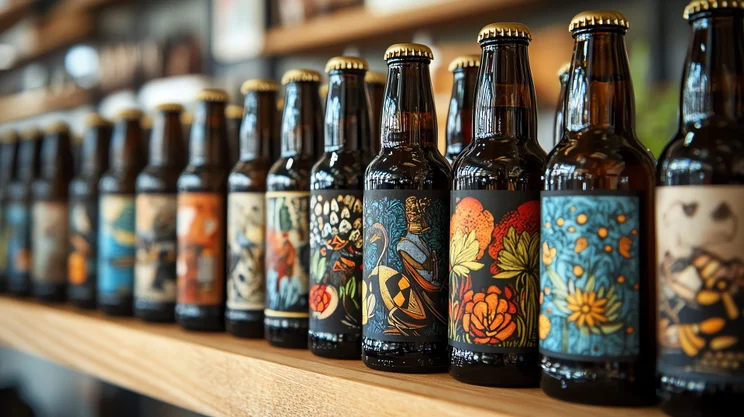
Major multinational brewers are misleading drinkers about their “craft beer” credentials, muscling out the 1,600 small independent breweries struggling to survive, argues consumer group the Campaign for Real Ale (CAMRA).
This call comes at a time when the majority of the UK’s best-selling “craft” beers are actually sold by major global manufacturers like Heineken and Asahi – despite Britain’s heritage as one of the world’s best beer-producing nations.
With the term “craft beer” proving to be all froth, no substance, trade groups believe embracing the term “indie” beer could help set truly independent breweries apart from their foreign rivals, while also making it easier for everyday drinkers to know who’s behind their pint.
Big brewers are misleading beer drinkers, CAMRA claims
Craft beers remain a firm fixture on pub taps and supermarket aisles in the UK, with 65% of beer drinkers preferring their unique flavour profiles to mainstream options.
According to surveys from the Society of Independent Brewers (SIBA), customers define “genuine craft beer” as beer made by small, independent brewers, over large global manufacturers. But CAMRA argues that belief is increasingly out of step with what’s actually on shelves.
According to CAMRA’s latest beer report, seven of the UK’s top 10 selling craft beers are actually being produced by four multinational conglomerates: Heineken (owner of Meantime), ABInBev (owner of Camden Town & Goose Island), Asahi (owner of Meantime), and Molson Coors (owner of Blue Moon).
In contrast, independent breweries hold just 7% of the market – a stark mismatch with what consumers actually believe the term craft beer should mean.
For smaller brewers, this results in a competitive landscape that is nearly impossible to break through, while the knock-on effect reaches drinkers too, who end up with far less genuine choice than they may have thought they have.
“Ordinary drinkers are being short-changed when it comes to choice and quality at the bar,” claims CAMRA’s chair, Ash Corbett-Collins.
“Our report proves how the global players are exploiting the status quo to squeeze out independent brewers, to the detriment of ordinary publicans and beer drinkers.”
With British-owned breweries manufacturing half as much beer as they did in 1979, CAMRA also believes this foreign takeover is threatening our home-grown beer industry at-large, and is calling on Westminster to take action.
“The government needs to step up, start taking the issue seriously, and take action that matches up to their statements about supporting pubs and the communities they serve.” Corbett-Collins continues.
So what can actually be done to level the playing field?
Is an “indie” rebrand enough to save independent brewers?
SIBA has previously argued that adopting the word “indie” could help small breweries cut through, as the term craft beer continues to lose meaning.
Speaking on the rebrand two years ago, Andy Slee, chief executive of SIBA, told the Guardian, “for lots of breweries across the UK, ‘independent’ has become a lot more valuable and relevant to what they do than ‘craft’ – the meaning of which has been blurred by macro-ownership of craft beer brands”.
To support this shift, the trade association launched the Indie beer campaign – an initiative which helps verify independent breweries by allowing them to display a distinct logo on beer cans and pub pump clips, in turn helping consumers make informed choices to support local businesses, not foreign conglomerates.
Aside from ditching the term “craft”, independent brewers are also being encouraged to lean into what makes them unique. Local sourcing, closer ties to the communities they serve, and smaller batch sizes: these are all things that set genuine independents apart from mass-produced brewers.
Put simply, in a market where most “craft” beer is owned by multinational giants, ditching the term and flexing your independence could be the best tool at your disposal.


