
UK attractions believe the Met Office’s simplistic weather icons are costing them hundreds of thousands of pounds a year.
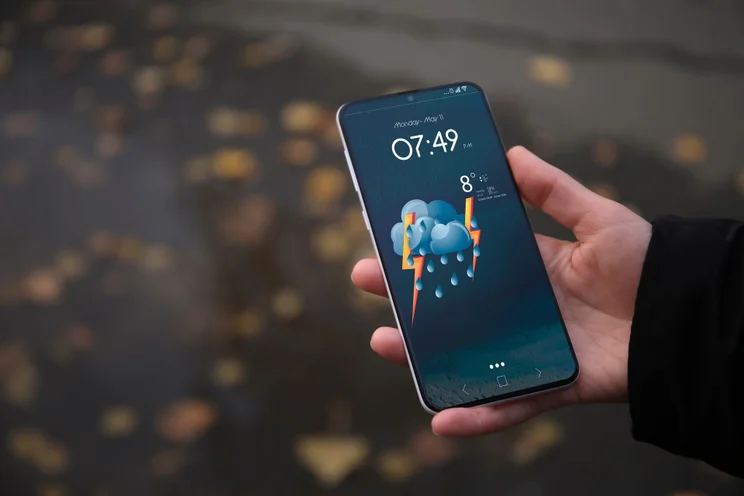
Misleading weather forecast displays could be costing your hospitality venue business. That’s according to Chester Zoo’s chief operating officer Dom Strange, who met with the Met Office this week along with 16 of the UK’s top visitor attractions to find a solution.
Strange believes the single rain icon that appears on weather apps urges potential visitors to stay at home, with the Zoo’s own survey finding that UK attractions lose up to half of their visitors over a rainy day symbol, even if it only signals a brief shower.
For hospitality venues and stores, where the majority of footfall depends on people deciding to leave their house, a single drop of rain could be enough to dry up sales. Fortunately, there are actions you can take to ride out the storm.
UK attractions campaign to change how forecasts are displayed
Chester Zoo’s weather summit with the Met Office follows the attraction’s original warnings in March that misleading rain icons could be costing some attractions up to £137,000 a day in revenue.
The campaign, which is backed by the likes of the Eden Project, Blackpool Pleasure Beach, and Blenheim Palace, argues that the issue doesn’t lie in forecast accuracy, but in misleading symbols which can lead potential visitors to think it’s going to rain for longer than it actually is.
There are numbers to back it up, too. A survey carried out by the zoo and tourism consultancy Navigate found that 60% of UK attractions reported that visitor numbers dropped after a “poorly displayed forecast”, with some losing over half their visitors on the back of a rainy day icon.
The solution? Chester Zoo, alongside 80% of other major UK attractions, believes that scrapping the UK’s single weather symbol in favour of a Norwegian model which breaks 24-hour periods into six-hour time slots will help recover visitor numbers, as it won’t skew the picture for the whole day.
Encouragingly, the Met Office seem open to it. A zoo spokesperson said the Met Office has constructively engaged with the tourism sector since March, ahead of this week’s weather summit. But if you run a hospitality business, you know it’s not just attractions that are impacted by misleading weather symbols.
Rain cloud icons could be costing high street businesses more than they think
Bad weather isn’t just an inconvenience for hospitality businesses; it’s one of the biggest variables in day-to-day trade.
NIQ’s RSM Hospitality Business Tracker named dull and wet weather a major driver behind low footfall and falling sales in February this year, with England receiving 42% more rainfall than the long-term average for the month, and bars and takeout businesses seeing sales decline by 4.1% and 5% respectively.
Pubs and restaurants with outside seating also have a lot riding on the forecast. The same tracker found that a damp bank holiday weekend last May was enough to send sales down by 10% on the Monday, as consumers stayed clear of beer gardens and terraces, while sunnier days on the same fortnight delivered double the growth.
Rainy days can hit retail stores just as hard, with bad weather being found to cut UK high street footfall by over 13% on the worst days, over six times the drop seen on milder ones. Sole traders that operate at outdoor markets will see even sharper drops that align with poor conditions.
Presenting a full day as “rainy” via a single icon, then, will inevitably deter customers from hitting the high street, making a trip to a local craft market, or booking a table in pub beer garden in the same way it’ll put them off going to tourist attractions.
There could also some sensible questions to ask about how longer-term forecasting is presented to the public. The Met Office’s own figures show that while one-day forecasts have strong accuracy, confidence drops with forecasts of five or more days. Rain is even harder to accurately predict, with researchers from the University of Reading finding that it’s harder to forecast precipitation than any other type of weather.
For hospitality and retail businesses alike, misleading weather icons and shaky five-day forecasts can deter customers from making plans way before a single drop actually falls. In hospitality specifically, these could even prompt cancellations, which themselves could have knock on impacts like overstaffing.
Precisely how much these weather icons are impacting footfall, bookings and cancellations across the UK is hard to quantify, but if Chester Zoo’s eye-watering lost revenue figures are anything to go by, it’s likely to be significant.
Here’s how to take action against misleading forecasts
If you believe your business has lost visitors due to a rainy day icon, you don’t have to accept the washout. The Met Office accepts feedback on forecast accuracy through its website, and businesses are encouraged to get in touch.
Just visit their website feedback form and enter details like your contact information and a detailed description of the day in question. The more specific you are in stating your case, the better. This could include citing specific revenue, footfall estimates, or booking numbers, as well as the forecast on the day.
You can also voice your concerns publicly. The Met Office is active on all major social media platforms, such as X, Threads, and Bluesky. Joining the conversation that was initially kicked off by Chester Zoo could help bring hospitality businesses into the fold and help to protect your future bottom line from a misleading forecast.


