
New planning rules aim to crack down on pub conversions, but do the changes go far enough to keep the taps flowing?
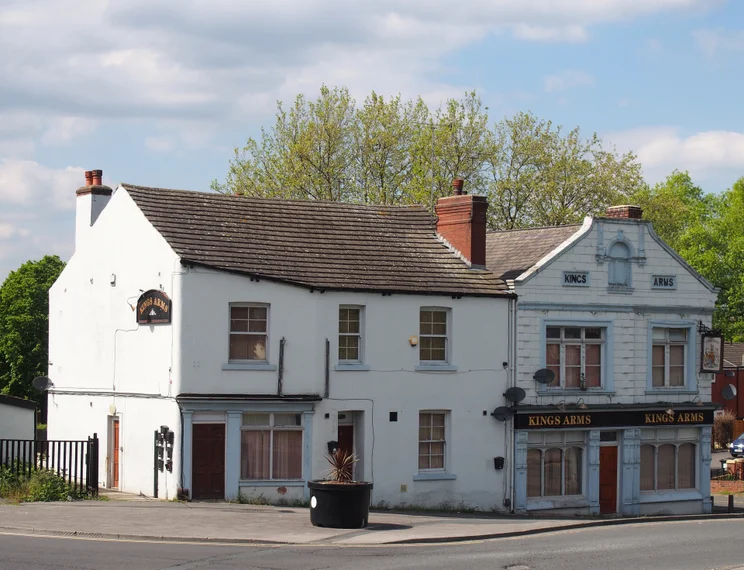
- Developers must now prove a pub has no prospect of staying open before converting it into homes, offices, or shops
- The rules replace previous protections which only covered the “last pub” in an area from being converted into commercial property
- Trade bodies like UKHospitality argue the real threat to pubs is rising costs, not developers
It’s officially become harder to turn pubs into housing or offices, with the updated Planning Policy Framework (NPPF) forcing developers to prove there is no reasonable prospect that the pub could stay open otherwise.
Spearheaded by housing secretary Angela Rayner, the new rules will come as welcome news to pub owners, with an average of two closing per day in 2026. 25% of pubs and restaurants currently operate at a loss.
But hospitality industry groups, the reception is more mixed, with UKHospitality claiming pubs are more vulnerable to rising taxes and employment costs than developer conversions – arguing the policy tackles a symptom rather than the cause.
Pubs gain new protections against being turned into commercial venues
All pubs in England have now received protection from being turned into homes and offices, as part of a push by the labour government to tackle widespread pub closures.
This new rule replaces previous planning protections that only covered the”last pub” in a community area, meaning any pub with a rival nearby could be converted into flats, offices, or shops with relatively little scrutiny.
In order for developers to overpower the new rules, they will need to provide evidence that a pub has no reasonable prospect of staying in operation – including proof it has been on the market for at least a year.
The rules also set out to stop pub owners from deliberately running down trade in order to justify a closure, in an attempt to protect pubs with a track record of being successful.
With 412 pubs across England and Wales being lost through conversion or demolition in England and Wales in 2024 alone, these new protections will undoubtedly provide relief to landlords and communities fighting to keep their locals open.
However, the updated NPPF plans haven’t been welcomed by all. The Real Estate UK policy director Ion Fletcher has warned the government’s plan could “blight high streets” by forcing developers to wait 12 months before pubs are able to be repurposed.
New rules don’t go far enough to protect pubs, trade groups claims
Rayner’s new protections have also been met with mixed responses within the hospitality industry itself, with major trade bodies arguing they don’t go far enough to tackle the root problem of closures.
Speaking on BBC Radio 4’s Today programme, chief executive of UKHospitality Allen Simpson argues “The biggest issue facing hospitality businesses is costs like VAT and business rates pushing pubs out of business in the first place.”
“You can legislate to stop a pub being sold as a flat but what you can’t do is legislate to force them to stay open if they’re not viable”.
Simpson’s comments echo concerns raised by The Real Estate UK, that the changes could result in empty unusable premises over open pubs.
He explains unless the government works to cut running costs “what we’ll be left with is not pubs which are open but actually just empty premises because they can’t be used as a pub or a house”.
The government has already taken small steps to ease these cost pressures, with Prime Minister Andy Burnham recently announcing a 20% cut to business rates for pubs and music venues, on top of existing support, in an effort to give the industry “breathing space”.
However, critics argue the relief only scratches the surface of what is necessary to really provide relief for the sector.
Ultimately, the new changes should go a way towards slowing the tide of pub closures across England, but as the industry continues to be squeezed by mounting cost pressures, pub owners will also need to focus on their own financial viability if they want to keep their doors open for good.
- Explore government support – Apply for business rates discounts and local hospitality grants
- Monitor rising costs closely – Review energy, supplier, and staffing costs regularly to protect margins
- Keep trading, and log any gaps – Developers can point to an unexplained closure as evidence a pub isn’t viable, so if you can’t avoid a gap in trading, record the reason and reopening date
- Document your pubs performance – Maintain evidence of consistent trading, should protection under the NPPR ever be tested


