New business rates cut could save the average pub £1,100 in the next tax year, Downing Street says.
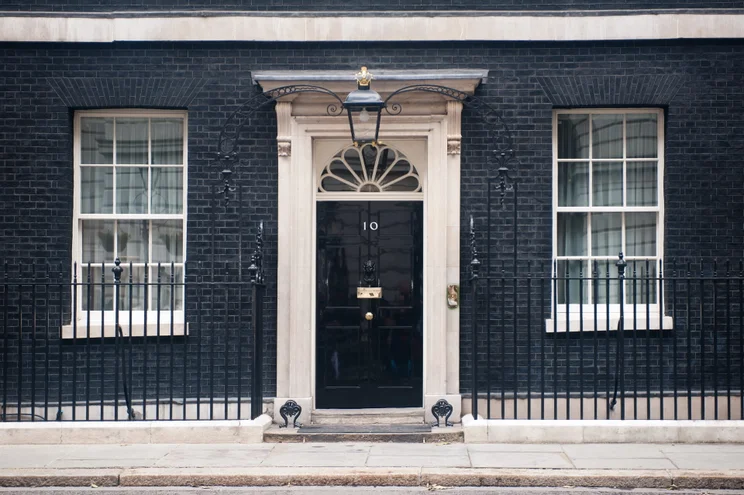
After months of whisperings from Westminster, new Prime Minister Andy Burnham has officially announced a 20% cut in business rates for pubs, clubs, and music venues, as part of a broader £100 million package designed to support the hospitality sector.
The changes are estimated to support almost 32,000 hospitality businesses from April next year, and save the average pub an estimated £1,100 in tax next year – a welcome relief as the industry continues to buckle under surging wages, National Insurance contributions, and energy costs.
The trade-off? Fulfilment warehouses run by businesses like Amazon and Asos could see their business rate bill rise, as Burnham looks to shift more of the tax burden onto online retail giants to support the high street.
The wait’s over for hospitality businesses demanding lower business rates
On the 20th of July, Andy Burnham pledged he would slash business rates for hospitality businesses if he was elected. Just a few days into his tenure, the Prime Minister has stayed true to his word, with Labour officially announcing a 20% cut in business rates for pubs, clubs, and live music venues across England.
The major policy move is part of a strategy to help hospitality businesses manage growing operating costs, while encouraging investment and safeguarding jobs, according to Ministers.
32,000 hospitality businesses are estimated to benefit from the relief from April 2027, with the average venue seeing around £1,100 slashed from their business rates bill in the following year, according to figures published by Downing Street.
When it comes to who is footing the bill for this relief package, Chief Secretary to the Treasury, Emma Reynolds, claims the tax cut “will be funded in a couple of ways”.
“Firstly, by looking at business rate reliefs on businesses that cause social harm, such as vape shops, and secondly by cracking down on those online businesses who are not paying VAT,” Reynolds told Sky News.
According to Ministers, tightening tax compliance rules for ecommerce giants like Amazon and ASOS will help create a fairer tax system across sectors, and fund the support for hospitality businesses without deepening the deficit.
Not all venues will qualify, however. To target support where it’s needed most, the very largest entertainment venue will not qualify for the 20% relief. A major subset of hospitality businesses – restaurants and hotels – also remain exempt from the cuts, with full eligibility criteria expected to be confirmed in the autumn budget.
Will £1,100 a year really make a difference to struggling venues?
While the announcement has been largely welcomed by hospitality organisations, the praise isn’t universal.
Tom Kerridge, celebrity chef and pub owner, argues the relief package won’t touch the sides for the pubs that need it most. Speaking about the new policy on BBC Radio 5 Live, Kerridge said, “It will come as welcome news. But £1,000 on a yearly revenue doesn’t really make a difference.”
Kerridge has been one of the loudest voices on tax reform across the sector. His campaign, ‘VAT’s the Problem’, calls for hospitality VAT to be halved to 10%, and has gathered over 270 signatures online.
Kerridge isn’t completely critical of Burnham’s new policy, voicing that “it shows the government are beginning to listen and have an understanding that hospitality is at the core and heart of so many communities.”
However, his message is clear: business rates alone won’t be enough to fix the sector’s underlying cost pressures. This sentiment is echoed by UKHospitality chief executive, Allen Simpson, who described the policy as a “good start”, but expressed that it falls significantly short of the much-demanded reduction in VAT that has become a clarion call from the hospitality industry.
This scepticism is understandable. With the relief working out to average savings of £21 per week, this cut barely dents a bill inflated by growing wages, National Insurance contributions, energy costs, and 20% VAT.
Instead of waiting for next year, control your costs today
Whether you need to wait until the next tax year to see savings, or you’re excluded from the deduction altogether, there are steps your business can take today to ease the financial strain.
Many hospitality businesses haven’t negotiated their energy prices since wholesale prices were peaking. To make sure you’re getting the best deal possible, we recommend comparing your current rates against the market, or using a business energy broker to negotiate on your behalf.
If you run a unique or very small venue, you may be eligible for other forms of support. Many venues still qualify for things other than small business rate relief, such as transitional relief or local authority discretionary schemes. These government programmes can have a significant impact on your bottom line, so it’s worth checking your eligibility directly with your local council, or visit the gov,uk business rates relief checker.
For struggling pubs, clubs, and music venues, Burham’s new relief package won’t act as a silver bullet for recovery. Yet, the measure, combined with proactive cost-cutting measures, will hopefully buy the sector breathing room before substantial reform comes through.