
New FSB research suggests expanding Small Business Rates Relief could unlock hiring, but with the Budget on 28 October, there’s plenty you can do now.
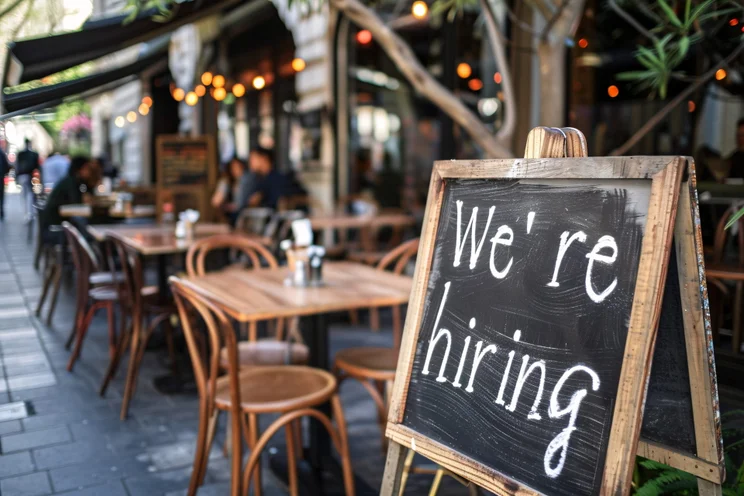
- The FSB found that 28% of small employers would take on staff if the Small Business Rates Relief threshold rose, and 26% would put the savings into pay or benefits.
- The FSB is calling for the SBRR threshold to rise to £25,000 (unchanged for almost a decade), which it says would take at least 250,000 more small firms out of rates altogether.
- Minimum wage and National Insurance rises also deter hiring, so firms should check their rateable value, assess each site for relief separately, and ask their council which reliefs apply.
Business rates are one of the highest fixed costs for any firm with premises, and for many venues, it’s the bill that stands behind them and their next hire.
Almost three in 10 (28%) employers told the Federation of Small Businesses (FSB) they would take on more staff if the Small Business Rates Relief (SBRR) threshold was raised, and 26% would put the money into pay or benefits. Yet the threshold has barely moved in almost a decade.
With the Budget coming on 28 October, we spoke to business founders to find out what exactly small firms are asking for, what’s holding back hiring, and how to reduce your bill in the meantime.
What is Small Business Rates Relief, and what does the FSB want changed?
While business rates have become a thorn in the side of the hospitality industry, SBRR is the safety net for the smallest premises. It currently gives a 100% discount on properties in England with a rateable value of up to £12,000, with tapered relief up to £15,000. The thresholds have stayed the same for almost 10 years, and the FSB believes it doesn’t go far enough.
To stop more firms paying a tax before they’ve turned a profit, the FSB is currently calling on the Chancellor to raise the threshold to £25,000 in the Budget, which it says would take at least 250,000 more small businesses out of paying rates altogether.
Other asks include increasing the Employment Allowance, cutting Business Asset Disposal Relief to 14%, raising the VAT registration threshold to £100,000, and introducing a Statutory Sick Pay rebate for small employers.
According to FSB national chair Tina McKenzie, the Budget is an early test of whether the government will back small firms, arguing that the tax system should “reward ambition rather than punish it.”
How are business rates affecting hiring plans?
New findings from the FSB put a number on something many owners say privately: relief isn’t just a saving; it’s a hiring budget.
More than one in four employers say they would put it into pay or benefits, and almost three in 10 into new roles. The pressure falls hardest on firms with physical sites, such as workshops, showrooms and storage units, where rent and rates are fixed before a single sale is made.
For David Norman, founder of sofa bed maker Furl, the maths is stark. The business has a team of 21 across four sites, including a Nottingham workshop and two London showrooms, and its rates bill comes to about £108,000 a year.
Relief brings that down to about £91,000, he tells us, saving roughly £16,500, but its Watford unit still pays the full £38,000 with no relief.
- “£91,000 a year is a lot of money that could be going on people. If the threshold went up and more of our sites qualified for full relief, I’d put that money into staff, starting with another maker in the workshop.” – David Norman, founder of sofa bed maker Furl
Frederic de Ryckman de Betz, founder of HOLD Self Storage (London) and former Chair of the Self Storage Association UK, says rates “don’t flex when trade dips,” so every pound goes on the bill before pay rises or hires can be considered. His firm has held back on a new site role this year because of rising overheads.
Are rates the only barrier to taking on staff?
While business rates are one of the biggest bills businesses face, they sit alongside a stack of employment costs, including employer National Insurance contributions, pension contributions and the National Minimum Wage, which rises every April.
Simon George, co-founder of business networking community Business Buzz, works with many businesses in the hospitality sector. He says rates are causing issues as one of the biggest overheads, but what he hears most is that National Minimum Wage and National Insurance increases have had the biggest impact on costs.
“The younger person’s minimum wage is now almost the same as someone older with more experience, so there is little appetite to take on younger people,” he says.
That has a knock-on effect for young people who need the opportunities and work experience, he adds. For employers weighing up a hire, it’s a reminder that the full cost of a role matters as much as the rates bill.
Expanding SBRR wouldn’t solve every pressure on payroll, but it would free up cash where many small firms feel it most. Whether the Chancellor delivers on 28 October is out of your hands. Your own rates bill isn’t, so here’s where to start.
- Check your rateable value – Your bill is based on it, so an error costs you every year. De Ryckman de Betz recommends the Valuation Office Agency’s Check and Challenge service, as errors are common.
- Check every site for relief separately – Eligibility varies by property. Norman’s business gets relief on three of its four sites, so don’t assume one decision covers them all.
- Ask your council which reliefs apply – Rates are billed by your local council, so ask what you may be entitled to for each property and whether you need to apply.


