
As summer trade fails to bring the usual boost, business confidence has fallen to the lowest level since records began.
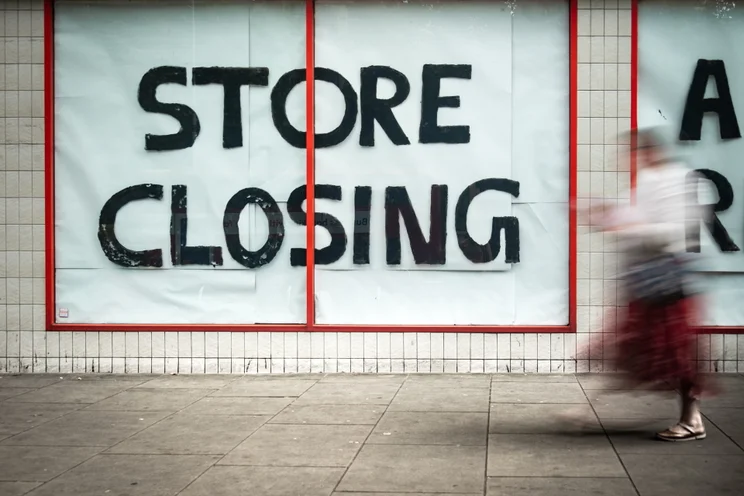
Despite summer usually welcoming a pick-up in trade, high street confidence remains stubbornly low, with just 21% of hospitality and retail businesses predicting growth for the next three months, according to a recent study from Novuna Business Finance.
While green shoots were found across industries like manufacturing and transport, overall growth forecasts have fallen to their lowest level since the Business Barometer study began in 2014 – a trend described as a “concern” by the Head of Insight at the asset finance provider.
For high street businesses, as rising business rates and minimum wage costs continue to weigh heavily on bottom lines, it’s unclear whether Andy Burnham’s new Prime Ministership is enough to swing the balance.
Hospitality and retail businesses aren’t hopeful about summer growth
Every quarter, Novuna Business Finance tracks small business sentiment in its Business Barometer survey. Its latest findings make for a grim reading: retail confidence dropped sharply from 38% to 21%, while hospitality fell from 25% to 21%.
This dip is particularly unusual for the summer months, where warmer temperatures typically usher in a welcome uplift in high street footfall, impulsive spending, and more bums on seats in pub gardens.
But it’s not just high street businesses that are struggling. Despite a brief bounce following Labour’s election victory in July 2024, and a modest rally at the start of the year, overall small business confidence has been on a steady downwards trajectory.
Now, the percentage of businesses saying they are contracting or struggling to survive is equal to the percentage predicting growth – the first time the two measures have been equal since the pandemic began.
Speaking on the trend, Jo Morris, Head of Insight at Novuna Business Finance, said: “Following a quarter-on-quarter slide in small business growth forecasts during 2025, this year promised hope of recovery”
“However, the fall to 24% this quarter is a setback and growth forecasts now stand at their lowest level since the Business Barometer study began in 2014.”
For hospitality operators, costs are only going up
For many working inside the hospitality sector, this slump in confidence won’t come as a huge surprise.
In recent years, pubs, restaurants, and cafes have been squeezed from every direction, with the National Minimum Wage increasing again in April, while rises to employer National Insurance contributions have added further strain to already tight payrolls.
On top of this, business rates remain a source of ongoing uncertainty. Analysis from UKHospitality shows the average pub’s bill rose by 15% from April 2026, tacking roughly £1,400 to annual costs. With further increases on the horizon, little room is being left for operators to plan ahead with confidence.
These cost pressures are being compounded by shifts in consumer habits, too. Changing drinking habits – including a rise in a bring your own booze culture and a broader move towards lower alcohol consumption have hit pubs for revenue and bars particularly hard.
The result is a perfect storm that’s proving too much for many operators to weather. Britain is currently losing 3.4 pubs and restaurants a day, and closures are showing little sign of slowing.
Where does the high street go from here?
As costs are unlikely to ease in the short term, experts suggest hospitality businesses focus on what’s in their control.
This can involve reviewing supplier contracts to ensure you’re getting the best deal, cutting food waste through smart menu engineering, and adapting to changes in demand – i.e, by catering to the growing demand for low-and-no-alcohol options, or doubling up as informal workspaces to bring in trade outside of peak hours.
Whether or not a shifting political backdrop offers any relief remains to be seen. The new Prime Minister, Andy Burnham, has proposed raising the threshold for business rates, a move that could result in 140,000 additional small businesses being exempt from paying the rate altogether.
He also floated a 20% cut to rates for pubs, clubs, and music venues, funded by higher taxes levied on large warehouses and online retailers. Until then, however, as hospitality businesses continue to navigate a difficult summer, it’s uncertain whether these proposals will translate to meaningful action.


