
Poundland could collapse within days, putting up to 12,000 jobs at risk. We look at what it means for small retailers and what Budget support they can plan around.
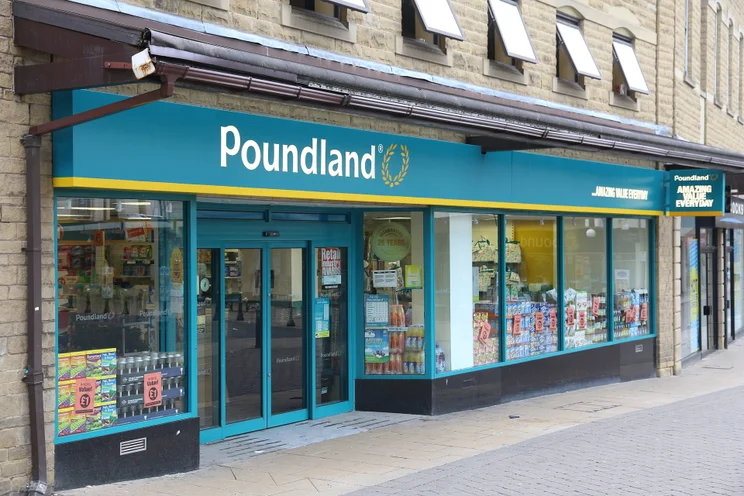
- Poundland could collapse within days, putting up to 12,000 jobs and around 600 stores at risk, unless a rescue deal is found by Thursday 5 November.
- Budget rates relief could take 70,000 retail, hospitality and leisure firms out of business rates from April 2027, but employer NI and wage costs remain.
- Founder Steve Smith warns that losing Poundland would hurt neighbouring retailers, as shoppers who visit it also spend nearby
Poundland could be days from collapse, with up to 12,000 jobs and roughly 600 stores across the UK and Ireland on the line, Sky News has reported.
Its US-based owner, Gordon Brothers, has stopped funding the chain and given it until Thursday the 5th to find a rescue deal. It has already rejected a takeover offer from Irish firm Martin Property Group, which Poundland’s own management had backed. Yet founder Steve Smith, who left the firm in 2006, says sales are still up 11% on last year.
Small shops feeling a similar strain do have some help coming, with Budget rates relief set to take 70,000 retail, hospitality and leisure firms out of business rates altogether. But the fallout wouldn’t stop at Poundland’s own doors. Smith says it draws four to five million customers a week, and warns that neighbouring retailers would feel its loss.
Why Poundland’s future hangs in the balance
Sky News recently reported that the three independent directors brought in to steer Poundland’s sale were on the brink of quitting.
They were unhappy that Gordon Brothers had refused to back Martin Property Group’s offer, which would have kept the chain out of insolvency.
Rivals including Poundstretcher, B&M, Iceland and The Range have reportedly shown interest in some of its stores. Gordon Brothers says it is weighing offers for the whole business and for its viable parts.
Business Minister Kate Dearden is due to meet Poundland executives this week, though government sources admit there is little room to intervene in a commercial deal.
So why might the owner let it fail? Poundland has struggled for years, with inflation and a wider product range sending shoppers to rivals, though recent sales have improved.
Sources from Sky News say Gordon Brothers, which paid £1 for a £30 million shareholder loan, expects a better chance of recovering it in a break-up. Martin Property Group’s bid would have repaid the loan in full on its existing terms, but Gordon Brothers is understood to fear Poundland could be liquidated before then.
Budget rates relief helps small shops, but wage and NI costs remain
Whatever happens to Poundland, smaller retailers will be left to cope with the knock-on effects. The Budget does give them some help. From April 2027, the Small Business Rates Relief threshold in England rises from £12,000 to £18,000 rateable value. Other retail properties get a two-year real-terms freeze.
However, the highest costs haven’t moved. Employer National Insurance is unchanged, the National Living Wage rises 3.9% in April, and most energy support goes to households and heavy industry.
As Professor Jennie Shorley of Manchester Metropolitan University Business School tells us, the challenge for SMEs is to turn the Budget’s ambition into “practical support: reducing the costs and barriers that hold back entrepreneurs”. Rates relief is a start, but it doesn’t touch wage or NI bills.
Poundland’s closure could add to the strain. By Smith’s estimate, it draws millions of shoppers a week, so losing it could mean fewer visitors for neighbouring shops. Shorley says easing the cost-of-living crisis “must remain central to the growth agenda”, because “local businesses need customers with money to spend”.
In the meantime, the Budget can’t replace the footfall a big chain brings, but it can give small shops some breathing room.
Poundland’s wobble shows the pressure on shops, and smaller retailers are feeling it too. The Budget offers some support to plan around.
- Business rates relief: From April 2027, premises in England with a rateable value up to £18,000 could be taken out of rates altogether. Check yours with our small business rates relief guide.
- Two-year rates freeze: Retail, hospitality and leisure properties above the threshold get a real-terms freeze.
- Fuel duty cut: The 5p cut is extended by six months, which could help with delivery and stock-run costs.


