
With the Great British Summer Savings scheme coming to an end, hospitality bosses are pushing for a sector-wide VAT cut.
- The ten-week summer VAT cut has fuelled calls for a permanent, sector-wide reduction
- A blanket cut wouldn’t reach the businesses most at risk, with 45% of hospitality businesses falling below the VAT threshold
- You can join Tim Kerridge’s #VATsTheProblem campaign today, if you support a 10% cut to VAT rates
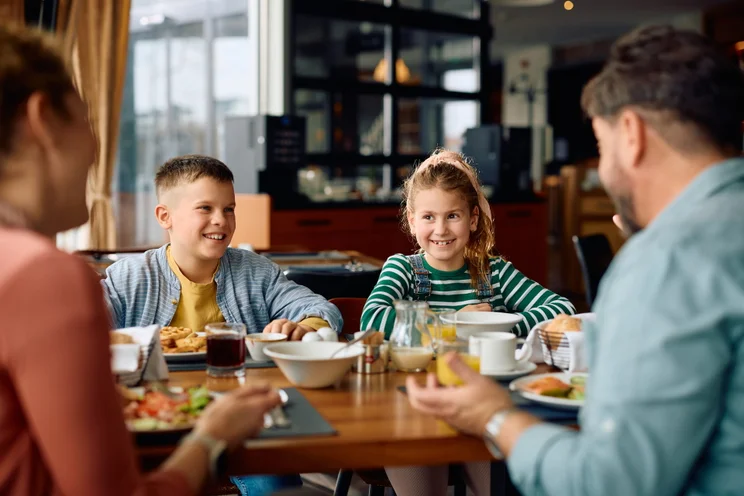
For ten weeks this summer, hospitality and leisure businesses across the UK got a VAT cut from 20% to 5% on children’s meals, as part of a government scheme designed to ease cost pressures on families, and drive footfall during the school holidays.
Now the Great British Summer Savings Scheme has come to an end, the hospitality sector wants to know whether that brief taste of a lower tax rate proves its case for a permanent cut to VAT rates.
The case has been building all summer. Since June, Tom Kerridge’s #VATsTheProblem campaign has been demanding a cut from 20% to 10% – bringing the UK in line with rates seen across Europe.
With businesses facing cost pressures from all sides, we weigh up whether halving VAT is the right move to give hospitality the breathing room it needs.
Summer Savings scheme sharpens appetites for bigger tax breaks
The government’s savings scheme, announced on the 21st of May, was launched to a mixed reception.
Jacyn Heavens, CEO at Epos Now, described the scheme as a “useful but small release” from the pressures facing the industry. He told us Epos Now’s data showed some businesses, including Haven, passed savings directly on to customers, with Haven returning around £4m to holidaymakers.
While some businesses – and the government – do believe it’s made a positive impact on footfall, for much of the hospitality sector, the VAT cut on kids’ meals didn’t go far enough.
Since June, Kerridge has fronted the #VATsTheProblem campaign, demanding a permanent cut to hospitality VAT from 20% to 10%. Critically, he wants the reduced VAT rate to extend beyond kids meals, applying across the whole sector, year-round.
Kerridge told This is Money that following the launch of the summer scheme, the government ‘has now recognised that VAT is the lever to pull to drive footfall, support families and back hospitality businesses’.
‘Yes, it was time-limited and narrow in scope, but it was important recognition. Tuesday is the last day of that summer scheme, and the next logical step is a lower rate for the entire hospitality sector,’ he added, pushing the government to broaden the scheme.
There’s a reason why Kerridge’s petition has been signed by over 350,000 people, and has secured backing from trade bodies like UKHospitality and the British Beer & Pub Association. The UK’s 20% VAT rate is currently the second-highest in Europe, with neighbours like France, Spain and Italy charging just 10%.
The pressure on the hospitality sector is stark too. According to CGA by NIQ data, Britain lost 1,839 licensed venues between March and June 2026 alone, and a recent UK Hospitality survey found that 23% of pubs and restaurants in the UK are now operating at a loss.
Given the backdrop, it’s easy to see why the summer savings scheme has sparked conversation around a sector-wide cut. Yet, with small hospitality businesses already exempt from paying VAT, would a blanket cut really help the venues that need it the most?
Who really benefits from a hospitality VAT cut?
Not everyone is convinced a blanket VAT cut is the fix that the sector actually needs. The Tax Policy Associates, for instance, point out that businesses with a taxable turnover of under £90,000 – a threshold below which 45% of all UK hospitality businesses sit – do not pay VAT at present anyway.
In practice, this means that many microbusinesses wouldn’t actually benefit from a VAT cut, but would of course still face things like employer NIC and minimum wage increases, rising energy and food costs and business rates hikes, which have added roughly £3.5bn a year to hospitality’s bills.
Huge corporations like McDonald’s, on the other hand, could receive VAT windfalls of over £400m a year after an across-the-board cut, the thinktank says.
So, what’s the alternative? Some experts believe that if the government wanted to ease cost pressures on hospitality specifically, replacing business rates with a land value tax to address the burden of property-based taxation, and reversing the employer National Insurance increase would be a good place to start.
Neither involve a blanket rate change that would disproportionately benefit large chains, and instead, tackles the root of the biggest pressure points for small and independent businesses like pubs, restaurants, and cafes.
There’s no denying that VAT-registered businesses would benefit from a VAT cut through, so if you’re looking to back the movement for a 10% cut to the tax, we outline how this can be done below.
- Sign the online petition – Simply enter your name and email address to the campaigns website to support a 10% hospitality VAT
- Use the campaigns Business Toolkit – Download campaign assets, from posters to beer kits, from the campaign site encourage customers to get involved
- Spread the word – Raise awareness about the campaign by sharing it with family, friends, and your wider business network


