
It’s been a turbulent few weeks at Number 10; and the cabinet reshuffle has resulted in Peter Kyle replacing Jonathan Reynolds as the new business secretary.
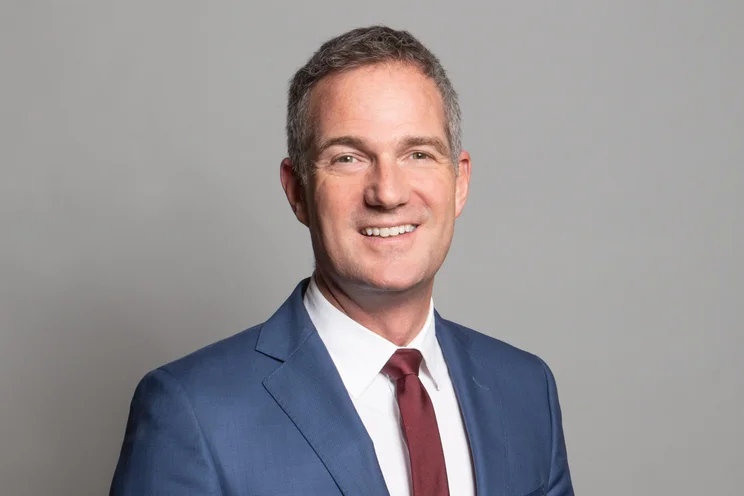
Image credit: Peter Kyle ©House of Commons
The Secretary of State for Business and Trade, and President of the Board of Trade is now Peter Kyle. He takes over the role from Jonathan Reynolds, who has become the chief whip.
A member of parliament (MP) since 2015, Kyle comes into the role as firms reel from the employer National Insurance contributions (NICs) hike as well as mounting costs.
He will be watched intently by SMEs to see how he treads the line between fiscal discipline and creating an environment in which businesses can thrive.
Kyle takes the role just months before the Autumn Budget is announced and predictions of more bad news for SMEs are already mounting.
There are, however, suggestions that relief may be provided in the form of energy subsidies, business rate reforms and support for businesses trying to move towards digital technology – something Kyle asked the last Government about in Parliament.
Who is Peter Kyle?
Kyle is the MP for Hove and Portslade, where he has been elected three times and has lived for 25 years. From July last year, he also held the role of Secretary of State for Science, Innovation and Technology.
The 55-year-old political veteran studied geography, international development and environmental studies at University of Sussex.
After gaining a PhD, Kyle was deputy chief executive of ACEVO, which is the Association of Chief Executives of Voluntary Organisations, and whose trustees include Mark Norbury, chief executive of UnLtd, the UK’s leading foundation for social entrepreneurs.
He then moved on to heading up the charity, Working for Youth, which is aimed at tackling youth unemployment. Kyle is also the first openly gay MP for Hove and Portslade.
What will Kyle do for small businesses?
Kyle has toed the party line when it has come to fiscal decisions. He appears to have been pro the National Insurance rise for employers, which has been controversial among business owners and economists alike.
Kyle also voted to raise Capital Gains Tax (CGT) for business owners and to make Investors’ Relief less generous.
However, Kyle did also vote to give special discounts to draught beer and cider under 8.5% to help pubs and small breweries, as hospitality firms claim they are being “taxed out”.
So, can we expect more of the same then? With his voting record, it is unlikely that Kyle will push to roll back the NICs changes; nor will he likely block tax rises over borrowing.
Technology champion
However, what we are likely to see is Kyle championing measures to help businesses upgrade their technology. He is a vocal advocate of AI – and hit the headlines for using ChatGPT to help him brainstorm in his previous role.
In July, in a speech at CityWeek 2025, Kyle stated: “An economy that, like ours, knows that the key to staying competitive is being squarely focussed on the future.”
He added: “…talking about the power of AI to grow the economy is all well and good. But unless companies use it, that growth only exists in theory.”
Kyle will likely push for measures to allow SMEs to upgrade their technology and upskill their staff; but in the beefy matters of NICs and potential tax increases, he will vote with his pack.


