Over half of UK adults own a pet. Want to be the one providing their food, supplies, and toys? Make sure you’re not barking up the wrong tree with our expert guide to opening a pet shop.
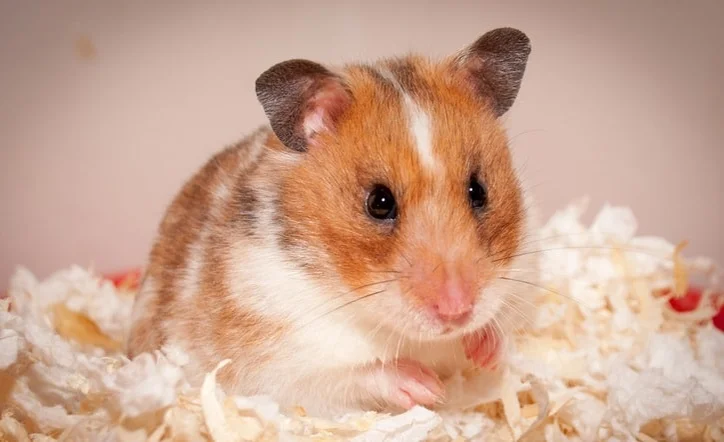
The UK loves its pets… and loves to treat them, too. From gourmet treats to designer collars, pet owners are investing more than ever in their four (or two, six and eight) legged friends.
This surge in demand makes starting a business in the pet industry an appealing prospect. But with big names like Pets At Home thriving and supermarkets, online giants and discount chains muscling in, it’s also more competitive than ever.
Still, there’s room for small, independent pet shops to shine – especially those offering expert advice, high-quality products and a personal touch the big chains can’t match.
Whether you’re a lifelong animal lover or just sniffing out a smart opportunity, our guide to starting a business is packed with tips, tricks and inspiration to help your pet business stand out from the pack.
- It will cost between £10,000 and £50,000 to open a pet shop.
- The main expenses include rent, business rates, refurbishment, inventory, utilities, insurance, and animal care supplies.
- You must renew your pet shop license every 12 months, or you may be fined up to £500.
- Under the Pet Animals Act 1951, you must provide proper housing, food, and care, prevent disease, and have emergency plans in place.
- You cannot sell dogs due to bans cracking down on illegal puppy farming, and you cannot sell animals to anyone under the age of 12.
This article will cover:
Step 1: Finding your niche
With independent pet shops facing such fierce competition from pet shop chains, supermarkets and discount shops, finding a unique space in the market that others haven’t filled will help you to stand out.
Conducting market research
To find out how you can bring something new to the table, your first step should be conducting market research. Look into the pet shops in your area and make note of what they’re selling and what they aren’t. Why do people visit them? How can you be better?
You should also do some research into the pet owners in your area. Which animals do they love? What are their criteria for buying food, equipment, etc.? What’s their typical income, and how much do they spend on their pets?
Try starting an online survey or holding a focus group to find out.
Picking your niche
Still unsure what your unique selling point should be? Try answering these questions to spark some pet shop business ideas:
- Would you like to sell live animals – along with the equipment, food and accessories that they need – or would you rather just sell pet supplies?
- Is there a type of animal that’s in demand and you know a lot about – for example rodents, birds, reptiles or fish? Can you specialise in that animal, offering a variety of species and/or an inventory of supplies specially tailored to their needs?
- Is there a particular type of product that’s in demand but isn’t well catered to by other pet shops in the area – for example, all-natural or premium pet food? Can you sell a broad range of it where others don’t?
As well as the findings of your market research, your own interests and passions are important too. No matter how popular reptiles are in your town, for example, you’ll struggle to sell them as desirable pets if they make your skin crawl.
On the flipside, if reptiles are your favourite animal, customers will enjoy learning about them and buying them from you – after all, enthusiasm is infectious.
While UK pet shops can sell cats, it’s strongly discouraged due to welfare concerns. The same goes for birds unless you’re a specialist with proper aviaries – the retail setting just isn’t ideal.
Dogs are off-limits entirely for sale, with bans in place to crack down on puppy farming.
To stay ethical (and out of trouble), focus on animals suited to cages or tanks, like small mammals, reptiles or fish. It’s better for the animals and your reputation.
Love dogs? Why not check out our guide to starting a dog walking business instead?
To differentiate yourself further (and potentially supplement your income), you could also consider running pet-related services or experiences from your shop – as long as you have the expertise to do so. For example, you could:
- Offer pet grooming or pet sitting services
- Run classes on how to care for particular animals. Encourage customers to bring their own pets for an element of fun
- Offer petting zoo-style, ‘meet the animals’ sessions with the pets in your shop to appeal to children and families
- Write and print your own booklets on caring for particular animals and give them to customers
- Bake or make homemade pet food or treats to sell
When it comes to coming up with pet shop name ideas, you’ll want to ensure you find something that makes your niche clear, reflects the tone of your business (for example, is it top class, premium luxury or more fun and friendly?), is dissimilar to any other shop names that your customers may have already heard, and is easy to spell, read and pronounce.
Writing a pet shop business plan
A business plan is a comprehensive document in which you should introduce your pet shop, examine how you will approach every aspect of running it, and make forecasts for the future.
Writing a business plan is a lengthy process, but doing so will prove a valuable exercise – not to mention that any future investors or loan providers will want to see it.
To help you write your pet shop plan, The Start Up Loans Company has developed a free business plan template.
If you’re looking for guidance on starting a shop but pets aren’t really your thing, take a look at our more general, comprehensive guide to opening your own shop.
Step 2: Understanding the start-up costs
A key part of starting any business is making accurate financial predictions and planning your budget.
How much does it cost to start a pet shop?
By no means a cheap start-up idea, opening a pet shop requires significant investment. Your main costs will come from:
- Renting a premises
- Paying for business rates
- Getting your shop refurbished and redecorated
- Purchasing and replenishing stock
- Paying for utilities such as electricity, heating and water
- Paying for insurance and licensing
- Buying the food and supplies you need to care for any animals you sell
It’s difficult to pinpoint exactly how much a pet shop will cost to launch – but, all in all, you can expect to pay between £10,000 and £50,000 to get going.
Step 3: Finding the right premises
Picking the best location for your pet shop
For any retail business, starting up in the right spot can mean the difference between success and failure – and pet shops are no different.
Ideally, you’ll want to start up in a location that…
- Is busy. High streets and shopping centres usually attract guaranteed footfall, but premises in these hubs can be expensive. Visit the shopping streets and areas in your town and count how many people pass through at certain times of day, and on certain days of the week to find out where you’ll get the most passing trade (which will likely be your bread and butter).
- Has convenient transport links and/or nearby parking. You want to make it as easy as possible for people to travel to visit you.
- Is near other pet shops. While it might sound counterintuitive, launching near to your competitors is actually a good strategy. With customers who are looking for pets and pet supplies already attracted to the area, you can benefit from the other pet shops’ marketing efforts too by reeling them into your shop instead.
- Has vehicle access. This will make it faster and easier for you to load and unload stock deliveries into your shop. It’ll also make life easier for customers who won’t want to lug heavy bags of pet food to and fro for long.
Deciding whether a premises is right for your pet shop
Of course, availability will invariably impact your decision. And while that vacant shop may be in the perfect location, you should also consider whether or not the building itself is up to your standards and expectations.
Consider:
- How big is it? Any cages, tanks and enclosures that contain animals need to be spaced at least one metre apart – is there enough space for this, plus all of the products you’re selling?
- What amenities does it have? Is there a toilet and a staff room? Is there enough stock room space? Are the heating, air conditioning, plumbing and electricity reliable?
- Is the building structurally sound? You’ll want to investigate whether the building is energy efficient (does it have effective insulation and double glazing?), and whether there’s any mould or damp. Is there a chance the building could flood in bad weather? You don’t want to put your animals at risk.
Remember, your space should be warm, well-lit and inviting. Pet shops can have a reputation as being cramped and dingy, and you don’t want to play into this stereotype – for the benefit of both your customers and (if you sell pets themselves) your animals.
If you’re selling animals, pay close attention to each species’ environmental needs and ensure you’re catering to them exactly. Fish and reptiles, in particular, may require very specific temperatures, lighting and environmental surroundings to thrive.
Similarly, keep animals which thrive on social interaction, such as rabbits, gerbils and guinea pigs, in pairs or small groups (and encourage customers to purchase more than one if they don’t already have any at home).
Step 4: Getting licenses and insurance
You’ll need to make sure you’re operating within the law and have all of the correct licenses and insurance in place before opening your pet shop to the public.
Pet shop licensing
In order to open a pet shop from which to sell live animals, you’ll need to obtain a specific pet shop license from your local authority – who will only grant you one if you satisfy their requirements and prove you can care for your animals and run a safe shop.
These requirements fall under the Pet Animals Act 1951, and are as follows:
- Accommodation: the cages, tanks and enclosures in which you keep your animals must be a comfortable size, the right temperature, have suitable lighting, have suitable ventilation and be clean.
- Food and drink: animals must be fed and watered, with the right food for them, as often as they need. They must also be interacted with and checked up on regularly.
- Age: mammals must reach a certain age before they’re sold.
- Health: you must take all the measures you can to prevent infectious diseases and conditions from being spread among your animals.
- Emergencies: you must have appropriate procedures in place in case there’s an emergency in your shop, such as a fire or flooding.
Remember: a pet shop license lasts for one year – so you’ll have to pay to renew it every 12 months. The amount of this annual fee can vary hugely depending on what your local authority charges – some are as low as £20 while others sit at over £400.
Your local authority has the right to inspect your shop – or send a veterinary professional to inspect your shop – at any time.
If an inspector ever finds you to be in breach of your license’s terms, it can be revoked, and you may face legal consequences such as:
- Fines of up to £500
- Disqualification from keeping a pet shop for a set amount of time
- Imprisonment for up to three months
Pet shop insurance
In order to minimise the risk of costly legal trouble, you’ll need to get the right insurance cover.
Some business insurance providers will offer a package of covers tailored specifically to pet shops – it’s worth looking for one of these and ensuring that the policies cover you for all possible eventualities.
Your package will need to include:
- Public liability insurance
- Product liability insurance
- Employers’ liability insurance (if you hire staff)
- Equipment cover
- Buildings insurance
You can read more about these essential policies and how they might help safeguard your pet shop in our guide to insurance for pet industry businesses.
Other legal regulations to be aware of:
UK law states that you cannot sell any animals to anyone under the age of 12 – doing so will likely result in your license being revoked. So, if you have any reason to doubt that a customer is old enough, be sure to ask for proof of age.
Similarly, it’s also a criminal offence to sell your pets in a public place, on the street or at a market, so be sure to keep them in your shop.
Maintaining a high standard of care and keeping animal welfare at the forefront is hugely important when running a pet shop. Instead of seeing your animals simply as stock to be sold, you should treat them as your own pets; making sure they’re well-fed, clean, stimulated and comfortable always.
It’s also your responsibility to make sure they stay healthy – so be sure to set up a retainer deal with a reputable local vet who’ll be able to see your animals if they become unwell.
Step 5: Sourcing equipment and stock
Next up, it’s time to start sourcing your equipment and stock!
Pet shop equipment
First of all, you’ll need to kit out your shop with shelving units and display islands that effectively show off your products. You’ll also need a counter over which you can accept payments.
You will also need a phone (plus a business phone number) so that customers can call you with any queries.
If you’re selling live animals as well as supplies, you’ll need to make sure you have top-notch, spacious tanks, cages and enclosures for them to live in (quality is crucial here – you want your animals to be comfortable and happy, and your business will not be popular if they aren’t). Remember, animal enclosures must be placed at least one metre apart.
As well as accommodation, you’ll also need your own supply of products – such as cleaning equipment, food, toys, grooming tools and accessories – to care for the animals while they’re in your shop.
Taking payment in your pet shop
It goes without saying that you won’t succeed in business if you can’t accept customers’ money. So an electronic point of sale (EPOS) system – complete with a cash register and monitor, a barcode scanner, a card reader, a receipt printer and EPOS software – will be an important bit of kit for you.
You can find and compare different point of sale systems for your pet shop. In some cases, a credit and debit card reader won’t be included with your EPOS system – you can compare these (and their prices) in our card payment machines review.
In order to process and accept payments, you’ll also need a business bank account and a merchant account, where customers’ money will sit until their bank approves their payment and it passes into your business account.
Buying animals to sell
Buying animals for your shop comes loaded with responsibility. That many don’t approve of pets being sold from shops is true – but this is often because a lot of pet shops buy cheap livestock from battery farms, which treat their animals poorly (or even cruelly).
Our advice is to avoid funding battery breeders, and instead buy from reputable ethical breeders who treat their animals with the care and respect they deserve and, in so doing, breed happy, healthy pets who’ll keep your customer satisfaction high.
You might even choose to draw up a set of ethical criteria which your breeders have to meet in order to supply you.
Don’t organise a deal with a breeder until you’ve visited them and observed how they operate first-hand. Remember also to always check the health credentials of an animal before you buy it.
Once you’ve found ideal breeders, use the results of your market research to buy a small number of animals which you know to be popular in your area.
As time passes, you’ll gain a clearer picture of which animals sell well. Remember to make a note each time a customer enquires after a species you don’t have – if enough people request it, you’ll know you should seek some out.
Buying pet supplies to sell
In order to stock your shop with pet food, equipment, grooming products and accessories, you’ll need to source items from a reputable (and affordable) wholesale pet shop supplier.
The products you choose to stock will depend on your niche, but don’t fill your shop to the brim using your first order (that will cost you a lot of money and could result in a lot of wasted stock – a shopkeeper’s nightmare).
Instead, get a small number of the basics in and see what’s popular. You can place a new order every week or fortnight; capitalising and expanding on what’s selling well.
For example, if your natural pet food is flying off the shelves, try getting another brand or more flavours. If your rhinestone dog collars are proving popular, get them in a couple more colours.
Look for wholesalers who have minimum order quantities that suit you. You don’t want to waste money and space on thousands of units simply because your supplier demands it.
Remember, no matter what your market research tells you, you cannot predict what’ll sell and what won’t with pinpoint accuracy. So, be prepared for an element of trial and error here.
Here’s how to find a suitable wholesaler (for products) or breeder (for animals):
- Investigating local farms and finding out whether they breed and sell pets
- Doing a simple Google search for options
- Asking fellow pet industry peers for recommendations
- Finding out where other pet shops in your area get their animals or products from
- Using an online forum to ask pet shops to rate their favourite breeders and/or suppliers
- Visiting pet industry trade shows to meet wholesalers
Step 6: Marketing your pet shop
With one third of Britons now pet owners, there is a huge customer base to take advantage of. However, there is also major competition for SMEs to compete with.
Here are some key marketing techniques to start out with to spread the word about your pet shop:
Launch a website
Every small business should have a sleek, well-designed website with effective SEO (search engine optimisation).
Not only is this an opportunity for you to share your contact details, shop address, and an explanation of what your shop offers; it’s also a way for customers who’ve never been near your shop to discover it and get a sense for why they should buy from you.
You can even give your website a wider appeal by writing and sharing blog posts about choosing pets, caring for animals, your favourite products and more.
As your business grows you might want to consider selling pet products and supplies online through your website, opening a new sales channel for your brand.
Be visible on Google
When someone Googles “pet shops in [your town]” or “pet shops near me”, appearing in Google’s local search results – where Google lists the top relevant local businesses along with their contact details, opening hours and any reviews – could do wonders for your visibility.
In order to appear, you need to first register with Google Business Profile. This is a free service where you can list need-to-know information about your shop.
This will make your shop details more easily visible to prospective customers – and make your business appear established and professional.
Get on social media
One great thing about marketing a pet shop is that you’ve a key subject – animals – that strikes a chord with plenty of people. Social media, in particular, is full of animal lovers.
Use Instagram, TikTok and Facebook to share high-quality photographs and videos of any animals you stock, as well as fun accessories and products for them. Work to build a community among your followers by asking them to share photos and posts about their own beloved pets, and repost these yourself.
You can also use social media to share special offers, advertise your key services – for example experiences or events you might organise – and even run competitions. Social media is an opportunity to both get creative and really hone your brand voice – so have fun with it!
Try traditional advertising
Place adverts for your pet shop in local newspapers and magazines (at little cost), or even consider advertising on local radio or television channels (at a much higher cost).
Remember, though, quality is crucial. If you go down these routes, you’ll need to hire a freelance designer and /or producer who can create something to a professional standard. Poorly put-together adverts will only reflect badly on your business.
Keep in contact with customers
Sending your customers regular email newsletters is an excellent way to keep them engaged with your shop; especially if you’re sharing special offers and updates on your animals and products, and information about what the business is up to.
A CRM (customer relationship management) system will help to streamline this process, personalising emails and newsletters, automating sends, collating customer data and more. Just be wary of what GDPR regulations will mean for the way that you build and manage your contacts list.
Try leaflet drops
This is as simple as writing and printing leaflets about your shop and posting them through local homes’ letterboxes.
In your leaflets, you’ll want to make it clear what your business does, write about any offers or deals, list any special experiences or services you’re running, and provide contact details and – crucially – your shop’s address. The leaflets should be well-designed and of a professional standard, so it’ll be worth enlisting the help of someone who knows design; perhaps even a freelancer.
You can have these printed off yourself at minimal cost or, if you’d rather run a larger-scale campaign, have another organisation manage the campaign for you at a higher cost. Royal Mail offers this service.
What’s next?
While the pet industry presents fantastic opportunities for business growth, it’s also rather saturated and competitive.
However, if you remember to stock products wisely, care for your animals well, serve customers with enthusiasm and expertise, and capitalise on a great USP, you’ll have plenty of potential to succeed.


