
Ineke Nugteren, the founder of healthy snack brand Nourish, gets candid about what it’s really like being a woman in business.
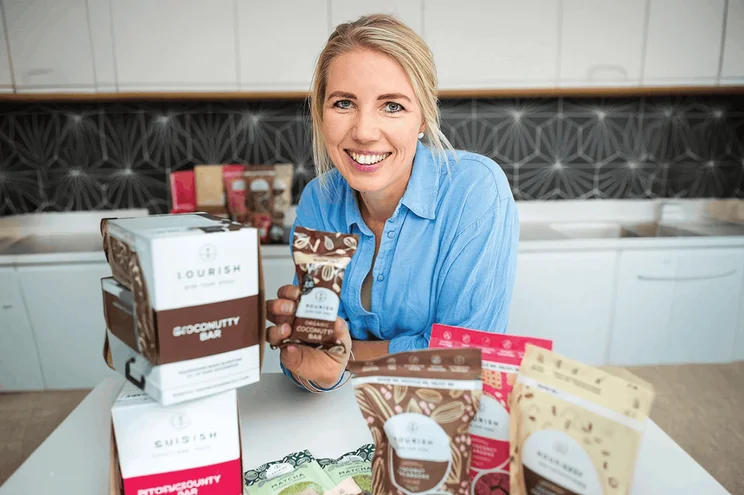
Ineke Nugteren never planned to run a business. A former intensive care nurse, she started making healthy, gluten-free snacks in her kitchen for her children, her patients, and herself.
Within 12 months, they were on the shelves at Selfridges, with Daylesford and Whole Foods following soon after. Over a decade on, Nourish is still going strong, but the road hasn’t been smooth.
Ineke has been brushed off at trade shows, watched male-founded rivals raise money faster, and even joked about inventing a fake male colleague to get replies.
I sat down with her to learn about three of the most frustrating challenges she’s faced as a female founder, and how she’s learnt to handle them.
“Not as committed”? The funding gap Ineke couldn’t ignore
When Ineke started Nourish, she was already juggling a lot. She had a young child, was going through fertility treatment, and was keeping up her nursing registration. But she says investors didn’t always see a founder with her hands full – they saw one who might not stick at it.
“People see you as really hard-working, but they’re not necessarily convinced that you’re going to stick at it,” she tells me. Ineke thinks the opposite is true: juggling so much, she argues, gives you “slightly more grit”.
The gendered funding gap was hard to miss. “I saw other male-founded businesses being funded at a far quicker rate than I was,” she says.
“You definitely don’t get people coming after you as quickly, asking if they can fund your business.” She admits she may not have been direct enough about what she was asking for, but is clear that a male co-founder would have changed the conversation.
Nourish started with no money at all. Ineke ran a small crowdfunder, worth around £5,000, in which backers received product in return, and picked up a couple of £1,000 council grants. One fan of the brand later invested unprompted, before a round of just over £100,000 in 2020. Some peers raised over £1m that year, leaving Nourish with crumbs in comparison.
So, how does she deal with this? By staying nimble, she tells us. Ineke warns that early cash can tempt founders to overspend on branding or kit.
Nourish grew sustainably instead, and recently moved into co-manufacturing. Limited time, Ineke says, makes you “really good at deciding what matters”, and her children – her “why” – keep those decisions clear.
Seven years on the market, and still mistaken for a hobbyist
For Ineke, being taken less seriously isn’t a one-off. It’s a “vibe”, she says, and it tends to show up at trade shows, where some people assume a female founder’s business is “a nice little hobby” rather than the real thing.
One moment stuck. Around three years ago, she was at PLMA in Amsterdam, looking for a manufacturing partner in Europe. She approached an Austrian company, and its representative was dismissive. “When you’ve got a product, then come back to me,” he told her.
Ineke had already been selling her products for more than seven years. She was at the show alone without a big team behind her, and thinks she may have come across as “naive”. Still, she’s quick to add that it doesn’t happen all the time, and that the industry is full of “amazing people”.
She’s honest that confrontation isn’t her style, so she works through these moments afterwards rather than in the room. Her fix is to be armed with facts. “Know your margins, know what your capacity is, know how fast you can move,” she says, because when you know your numbers, it “oozes confidence”.
She also leans on other founders. Accelerators and female founder networks have given her somewhere to talk through what she’s facing, and she wishes she’d hired a coach sooner.
Meet “Barry”: the fake colleague who helped Nourish get answers faster
Ineke tells me that people often assume there must be a man behind the business. Buyers and suppliers have taken it for granted that she has a male co-founder, or that she isn’t the one making the final call.
“We noticed that when one of the males in our team was CC’d into an email, all of a sudden we got information quicker.”
Her team noticed a pattern. When a male colleague was copied into an email, answers suddenly arrived faster. That led to a running joke: invent a pseudonym, an extra email address with a man’s name, and CC him into messages. They nicknamed him “Barry”. He doesn’t exist yet, Ineke says, but he’d be there to show it’s “not just me”.
The joke has a serious edge. Ineke believes a male co-founder would have made a “massive difference” over the past decade, and says female founders with male co-founders are approached far more often for listings and funding.
Networks have been a core part of Ineke’s support system. Buy Women Built, a campaign created to help female founders tackle the funding gap, gives her a space to share pain points she can’t always raise with her team, as well as learning hubs and funding partnerships with Wayflyer and Rothschild & Co.
She says the UK founder ecosystem, including programmes like NatWest Entrepreneurial Spark, has become far more accessible over the past decade, and she says male and female founders come together increasingly to swap experiences.
She adds that male founders have been “hugely valuable” to her, and believes men and women bring different strengths that work best together.
Yet, while Barry may be imaginary, the assumptions behind him are real, and Ineke has had to find ways to work around them. Humour and a strong network have helped, but so has hard-won experience. Here’s what she’d tell the next generation of female founders, in bite-sized form, based on what she’s learnt.
Ten years on, Ineke says there are far more networks for women than when she started, and she’d urge new founders to use them. Looking back, here’s what she’d do differently:
- Test before you perfect: You don’t need a 50-page business plan or big investment behind you to get started.
- Know your numbers: Know your margins, your capacity and how fast you can move. Facts bring confidence.
- Build your people early: Find founders a few steps ahead of you in their journey, and ask them the difficult questions.
- Get a coach: Someone who pushes you outside your comfort zone is “really, really important” in the early days.


