
The AWS outage has left experts questioning whether reliance on a single third-party could spell disaster for HMRC’s increasing digitalisation.
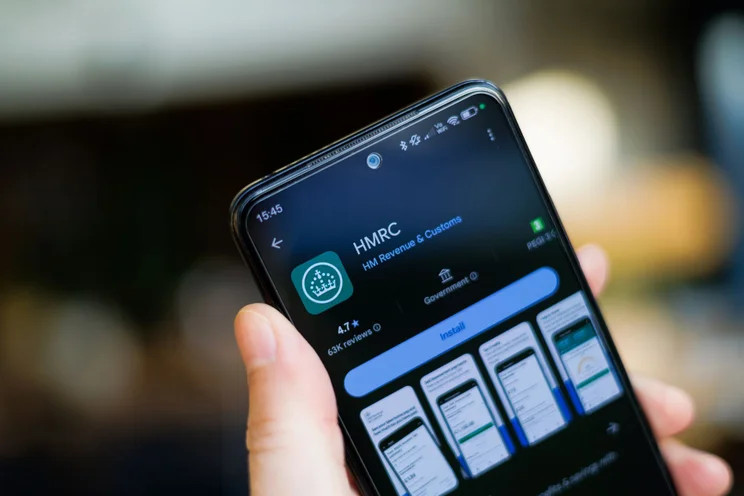
HMRC was among the many organisations that were down for a significant amount of time yesterday as Amazon Web Services (AWS) was hit by a huge internet blackout.
Anyone trying to log into the Government Gateway from around 9.30am to file a tax return or check their tax details received an error message. There were also issues reported for the GOV.UK portal.
The outage comes as the Government pushes ahead with its implementation of Making Tax Digital, which will mean that there soon won’t be an offline way for firms to file tax returns.
What was the outage and who did it impact?
According to AWS, the global outage was caused by “DNS resolution issues” which were initially picked up in the US. Such issues are caused by a computer or device being unable to translate a URL into an IP address, preventing users from accessing the internet.
However, the impact quickly spread globally as AWS is the world’s largest cloud computing provider. As such, it caused problems for a diversity of organisations in the UK including gaming platforms; banks, fitness services (like Peloton). Naturally, Amazon’s Alexa, Music and Prime services were also down.
By around 8pm, Amazon reported that most services were “seeing significant recovery”.
How were SMEs impacted?
With key services inaccessible, many businesses were forced to stop operations. This is because AWS powers much of the infrastructure behind many websites.
However, it was also so disruptive because some of the organisations that businesses rely upon – including Barclays, Halifax, Lloyds and the Bank of Scotland as well as HMRC, Xero, Canva and Klaviyo – were also impacted.
Natalie Ormond, owner at ecommerce venture Smallkind, said her small business is reliant on Canva and Klaviyo, which are both powered by AWS.
She said: “As a company of one, I’m heavily reliant on tools like these for design, email marketing and all sorts of essential tasks. I couldn’t run my business alone without them. They’re fantastic for small businesses but when they don’t work it’s a bit scary.”
Simon Jones, Chief Operating Officer at VP MED Group, added that the outage will have hit businesses hard if they were trying to access banking for staff salaries or other payment.
Call for back ups
The incident has raised questions as to whether it is wise for businesses – and governmental organisations – to be reliant on one provider.
As Jones asked: “It was only in August of this year that another outage caused severe network congestion between Cloudflare and that (same) AWS facility. This is a recurring theme between the two behemoths of online security and cloud-based web services. Are we too reliant on them for online business and finance services?”
Outages of this nature could also prove even more disruptive as we move rapidly towards the MTD. From 6 April 2026, self-employed individuals and landlords with annual business or property income over £50,000 must:
- Keep digital records of their income and expenses
- Submit quarterly updates to HMRC using MTD-compatible accounting software
- File an end-of-year finalisation statement (replacing the current tax return process)
This will then be rolled-out to self-employed individuals and landlords who earn between £30,000 and £50,000. Both will be brought into MTD by 6 April 2027; and those earning over £20,000 annually following a year later.
While business owners will frantically be playing catch up today; they should also be asking some big questions. Among these must be, whether they have a back up plan. As Hanna Basha, Dispute Resolution Partner at leading law firm Payne Hicks Beach, says this outage is “…a timely reminder that it’s not if but when.”
The incident also raises concern as to whether the institutions that so many SMEs are dependent upon should rely on centralised services over which they have no control.


