
Small batches of sausages and cheese could soon be back on the menu for small exporters and delis, as the UK and EU finalise a deal to scrap Brexit food checks.
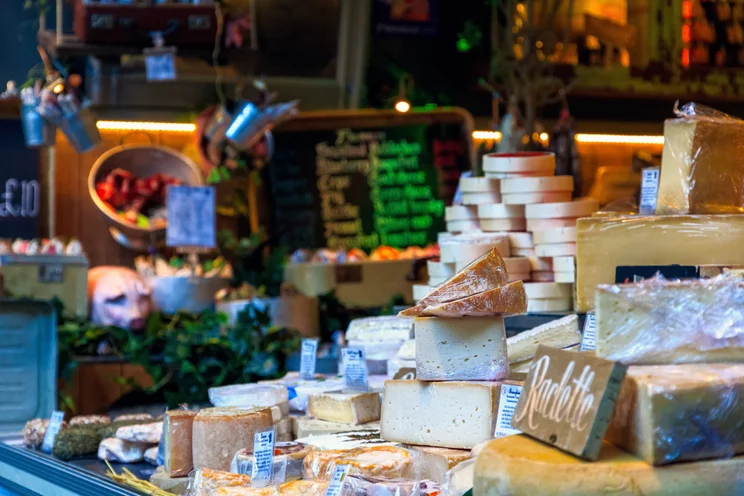
- The UK and EU have finalised a deal to scrap most Brexit checks on food, animal and plant products, due to be formalised at a summit on 20 November.
- It could end the per-shipment certificates and fees that hit small exporters hardest, and make smaller orders of cheese and wine viable again for independent delis.
- Changes aren’t expected until early 2028, as the UK must align its food rules with the EU’s. Plan now, but hold off on big decisions.
Small food and drink businesses could soon say au revior to the paperwork that has made selling to Europe so costly, after the UK and EU completed a deal to scrap Brexit checks on food and animal products.
The agreement, covering everything from cheese and sausages to flowers, is due to be formalised at a UK-EU summit on 20 November. If actioned, it would end costly export health certificates for small producers, and bring smaller batches of cheese and wine back onto delis’ shopping lists.
Don’t expect savings overnight, though. Changes aren’t expected until the first quarter of 2028, so we explain why the wait is so long, what the deal could cost, and what you can to do in the meantime.
What does the UK-EU food deal actually change?
Since the UK left the single market in January 2021, exporters of products from sausages and cheese to flowers have needed vets to check consignments and sign health certificates before goods can reach the EU.
Certificates cost up to £200, with £25 phytosanitary certificates, inspector fees and port charges on top. Because these apply per shipment, small firms feel them most.
Cheesemaker Simon Spurrell told The Guardian he lost 20% of his sales overnight in 2021 after learning he needed a £180 certificate on retail orders, including £30 gift packs. Delis have felt it too, with Reuters reporting that the epicurean deli and food market Panzer’s in north London has lost 37 EU suppliers since Britain left the single market.
The new deal would change that. A draft joint statement says the “vast majority” of movements of animals, animal products and plants between Great Britain and the EU would no longer need certificates or controls.
“The SPS deal would allow the vast majority of movements of animals, animal products, plants and plant products between Great Britain and the Crown Dependencies and the EU to take place without the certificates or controls that are currently required.”
– Draft of a joint statement to be issued by the British prime minister, Andy Burnham
The deal was largely agreed in May, and EU ambassadors are due to discuss the draft text on Wednesday ahead of the 20 November summit, where prime minister Andy Burnham and EU leaders are expected to issue it.
Northern Ireland retailers would also stop labelling goods “not for the EU”. But the changes aren’t expected until the first quarter of 2028, and a change of prime minister has already delayed the summit by six months.
Why won’t small businesses see the savings until 2028?
The SPS deal was largely agreed in May, and the government published it so food producers had time to prepare. Defra originally expected the changes to take effect in May 2027, but has now told industry leaders that implementation may not come until 2028, according to the Guardian.
The hold-up is mostly technical. Under the deal, the UK has to keep its food rules in line with the EU’s as they change. Britain has mostly followed EU rules since Brexit, but not everywhere, including some of the fungicides used on crops in wet weather. The change of prime minister also pushed the UK-EU summit back by around six months.
That alignment is the main catch. Critics say it makes Britain a “rule taker”, and small producers could face less certainty over which ingredients and additives are allowed.
The deal also comes as part of a wider package that would see Britain pay into the EU budget as the price of rejoining the single electricity market.
None of this changes the main benefit, though: far less paperwork for anyone selling to the EU. There’s also a smaller win for Northern Ireland shops, which would no longer have to label products “not for the EU”, a rule big retailers such as Marks & Spencer have criticised.
Ultimately, while the end of Brexit food paperwork is in sight, it’s not yet in reach. Until the rules change, small producers and delis will keep paying the same fees. Here are three ways to use the wait wisely.
- Work out your per-shipment costs: Add up certificates, inspector fees and port charges for each consignment, so you know how much you stand to save once the checks go.
- Hold off on big decisions: Nothing changes until 2028 at the earliest, and the final terms could still shift after the 20 November summit, so don’t rework your pricing or EU plans yet.
- Check your ingredients and suppliers: If you use crops or inputs treated with chemicals not yet approved in the EU, ask suppliers whether the extra six-month transition period applies to you.


