
Businesses need to be more aware than ever of manipulated ratings, malicious reviews, and AI-generated feedback.
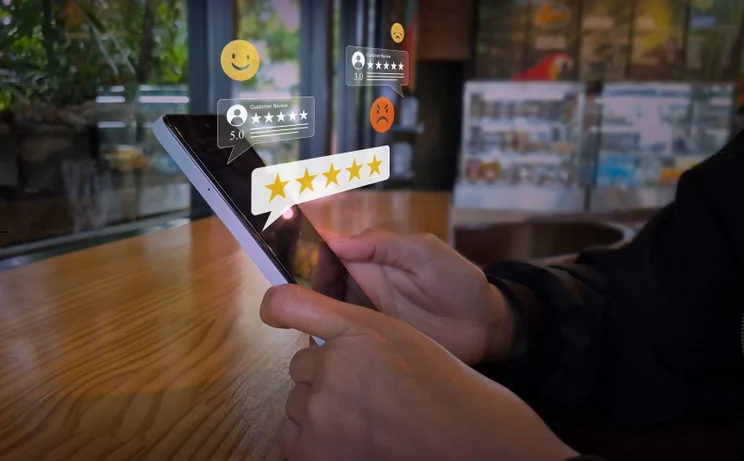
Global searches for “fake business reviews” have skyrocketed — increasing 1,026% – in the past year and businesses are being urged to be on high alert to the trend.
According to analysis, Google Search data has shown that there have been 68,000 searches for this term in the past month alone.
This reflects that there is growing concern among business owners – but also consumers – about the veracity of reviews and how they can determine what’s real and what’s not.
What is the impact on businesses?
“Reviews drive everything,” says Mary Tamvakologos, Managing Director from AnyBusiness.com.au, which carried out the research. “Trust, clicks, bookings, footfall, conversions. So when fake reviews spread, SMEs feel the hit immediately.”
Ecommerce giants like Amazon are fighting to crack down on fake reviews following a four-year probe by the UK’s Competition and Markets Authority (CMA).
One of the biggest issues was ‘catalogue abuse’, which is where sellers take the reviews from high-performing products to add on separate listings to falsely improve star ratings.
For businesses playing by the rules, the fake reviews means they are facing unfair competition. However, they are also being hit by fake reviews that target their own reputation and have to furiously scramble to get these removed before they hurt sales.
AI aggravating the issue
As well as driving the proliferation of fake accounts and fake products, AI is also being used to churn out fake reviews. The problem is gargantuan.
TikTok Shop recently published its Safety Report for January to June 2025. In just six months, over 70 million fake products were blocked, while over 700,000 seller accounts were shut down for fraudulent sales. The social media platform revealed that a staggering 1.4 million sellers were prevented from even registering as they failed to pass verification.
TikTok is itself using AI, as well as human reviewers to weed out fake sellers, products and reviews; but the problem is increasing and even big companies are fighting to keep up.
SMEs don’t have the same resources and so one bad fake review can take time to take down; and while it is live, it can really impact the business.
How can businesses fight back?
Bosses need to recognise that this is a problem not to be ignored and part of what is being termed a wider “enshittiffication” of the internet. Instead, business owners must be proactive.
The team at AnyBusiness encourages them to tighten their review monitoring as fake reviews usually follow patterns including “sudden spikes, repetitive phrases, extreme language or multiple ratings within minutes”.
Business owners need to check review platforms weekly to pick up on anything suspicious; and flag reviews that they are concerned about straight away. The team suggests setting up automated alerts to make this process less onerous on their time.
If they do spot a fake review, Tamvakologos suggests they act fast by calmly acknowledging the comment; clarifying the facts but without emotions and then inviting the customer to continue the conversation offline. This will obviously hit a dead end if the review is AI-generated but shows transparency, which other readers will value.
At the same time, businesses must log everything needed to counter a bad fake review from customer logs to payment data. As Tamvakologos notes, “the more detailed your evidence, the faster platforms will act” when you approach them to help.
Businesses should also look to take every opportunity to get real reviews from real customers with email follow-ups after sales so that “genuine customer feedback outnumbers and outweighs the fakes”, says Tamvakologos.
She adds that the biggest threat to businesses is complacency. “Reputation is now a real-time asset — and protecting it is just as important as acquiring new customers.”


