
Instagram is ordering its team back to the office full-time. What can UK startup founders learn as they plan 2026 workplace strategies?
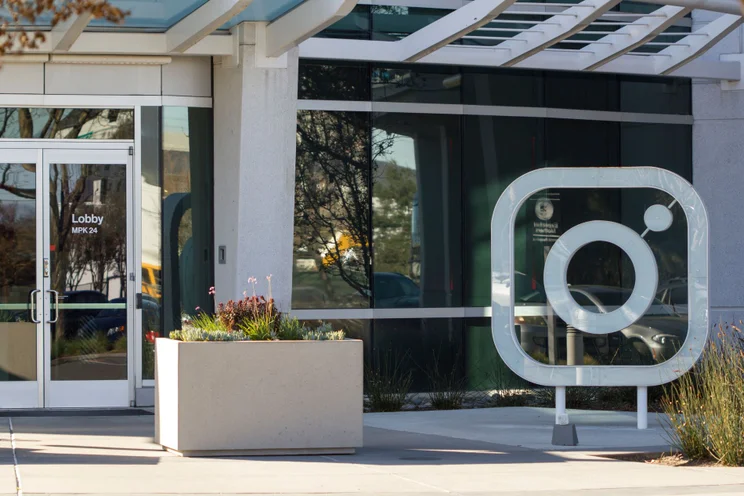
Last week, Meta confirmed that Instagram will require its US employees to work from the office five days a week in order to create a “winning culture”.
It’s one of the toughest RTO policies in Big Tech, alongside mandates from Amazon and Dell. And while UK SMEs don’t have to follow in US tech giants’ footsteps, the news offers a moment to reassess what’s working, and what workplace supports growth in the new year.
As founders plan their 2026 setups, they might be weighing up the rising costs of office space against the benefits of in-person productivity, and wondering whether their hybrid arrangements still serve them.
The ‘return to office’ panic is over, but the debate isn’t
According to a Business Insider report, Head of Instagram, Adam Mosseri recently circulated an internal memo with the news about the end of WFH. From February, all US employees need to return to the office full-time, despite space constraints in key offices like New York.
The past few years have seen various businesses return to in-person working. Brands such as John Lewis, Lloyds’ Bank, and Morrisons have all decided to call time on homeworking.
SMEs in the UK still seem fond of a moderate approach, with many settling into a happy medium of two to three days per week. According to the ONS, 27% of UK workers work a hybrid arrangement, with a further 13% working fully remotely.
Largely this is due to the culture question. Flexible working has become a firm fixture of the modern workplace, and for many new hires, it’s an expectation. Companies pushing for full-time office presence often face resistance or backlash from employees.
That said, hybrid isn’t without its flaws. Small businesses still run into difficulties onboarding junior staff, keeping culture alive when people rarely overlap, and less-than-ideal collaboration as teams juggle Slack, Zoom and asynchronous tasks.
In an effort to stave these issues and create a “winning culture,” Messori reportedly suggested that Instagram will need to also make other changes, such as scrapping unnecessary meetings and replacing them with clear objectives. He added that 121 meetings should be biweekly, and that staff should be able to decline meetings they feel aren’t necessary.
Forget culture, is office space a cost burden?
One of the major deterrents for UK founders setting up full-time offices remains rising costs. Commercial rents in London and major cities are surpassing pre-pandemic rates and long leases tie up cash flow.
Utilities, service charges and business rates have all risen, with energy bills increasing further this month once the new nuclear levy has come in. For a small business, an office can quickly become one of the heftiest expenses.
But many believe an office is worth the money. A fixed, shared physical space supports stronger team cohesion, faster decision-making, more creative problem-solving, and sets clearer boundaries for newer employees.
So maybe the question isn’t as binary as “office or no office?” but rather, “what type of office makes sense now?”
You might opt for a more modest, yet permanent base, coworking memberships instead of traditional leases, or strategically reserving office space for necessary collaboration.
What should bosses take from Instagram’s decision?
A five-day mandate won’t fit most UK startups, and it doesn’t need to. But the underlying message in Instagram’s announcement remains the same: whatever your decision, be intentional about how and why your team works in person.
Instagram has emphasised fewer meetings, more hands-on collaboration, and more time spent building and testing rather than presenting. Any SME can adopt these benefits, without forcing everyone into the same room every day.
As you plan for 2026, the best strategy is likely somewhere in the middle. Adaptable, cost-effective work models that support culture and collaboration without draining budgets should be the goal for small businesses, rather than keeping pace with tech giants.


