
As M&S changes its approach to holiday hours, we discuss how SMEs should tackle staffing over Christmas.
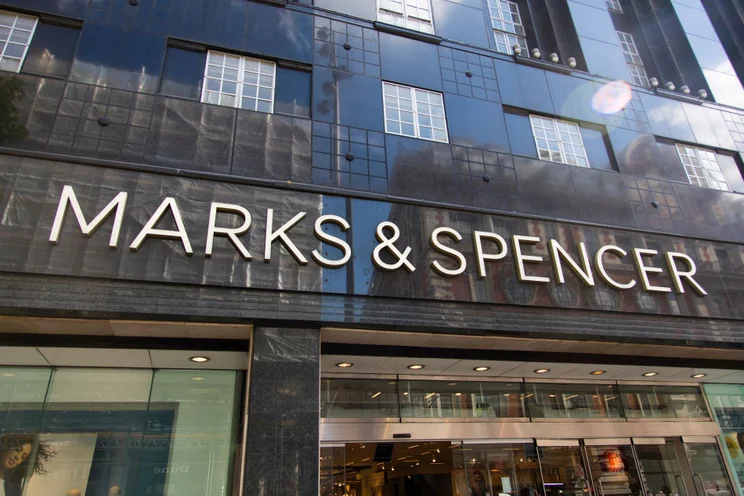
Marks & Spencer has made the headlines after doing a 180 on its approach to Christmas hours.
Last week, The Guardian reported that the retailer would require all staff to work at least one of three key post-Christmas days (26, 27 or 28 December). The change ends the chain’s long-standing tradition of an automatic day off on Boxing Day.
For hospitality businesses, it’s a familiar dilemma. If you run a bar, restaurant, or pub, you’re well aware that the festive season is simultaneously a time of cheer and a logistical nightmare for workers taking annual leave.
But with M&S’s high-profile stance on festive rotas, should smaller businesses be taking a leaf out of its book to ease the pressure?
Why M&S has gone grinch
Under M&S’s new rules, each staff member must work one of the three peak trading days between Christmas and the New Year.
Previously, most employees were automatically granted Boxing Day off, with only a smaller pool covering the rush. This was intended to give M&S employees a well-needed break with their loved ones, yet now it seems the retailer has backpedalled on its generosity.
According to the Guardian, M&S made the change because more than 40% of permanent employees and nearly 30% of seasonal workers didn’t work any of those three peak days last year, leaving stores understaffed at one of the busiest times of the year.
The new policy has so far proved unpopular. After years of enjoying a guaranteed break, some staff have called the move a “slap in the face”, describing it as more punishment than planning on internal messaging boards.
Why this matters to hospitality operators
The situation at M&S may sound familiar to anyone who works in hospitality. December brings in some of the biggest sales of the year, but also the biggest staffing clashes.
Pubs, bars, and restaurants see surges in demand around Christmas Eve, Boxing Day, and New Year’s Eve, when many employees would rather be revelling in festivities themselves, instead of working.
And while M&S has the budget to offer alternative employee perks or shift allowances, smaller businesses often operate on thin margins. Paying premium holiday rates or overtime might not be realistic, yet understaffing can mean lost revenue and overworked teams.
There’s also the issue of reputation and morale. In hospitality, where good service depends on goodwill, frustrated staff can easily dent your reputation, especially during the holiday period, when customers expect an above-and-beyond experience.
How to plan your holiday staffing
If you’re already dreading assembling your Christmas rota, a few practical steps can make a big difference. Incentives will go a long way. Even small perks, like bonus pay, an extra day off in January, or a staff meal, can make holiday season shifts more appealing.
Make sure to also map your busiest hours ahead of time. And don’t just rely on guesswork, check last year’s sales data to identify when you’ll truly need full coverage.
It’s also smart to ask for volunteers first rather than dictate when staff take holiday. You might find that some team members are happy to work certain days, especially if they don’t celebrate Christmas or would rather benefit from the extra perks.
Lastly, ensure you have a backup plan. Use HR software to start planning a small reserve of on-call staff or freelance staff who can cover unexpected absences, now.
M&S’s decision is a reminder that festive staffing can’t be left to chance, and if a major retailer is tightening up its approach, it’s a good cue for smaller hospitality operators to review their own holiday planning.


