
We flag some of the most common kitchen mistakes so you can avoid nasty fines, reputational damage, or possibly even business closure.
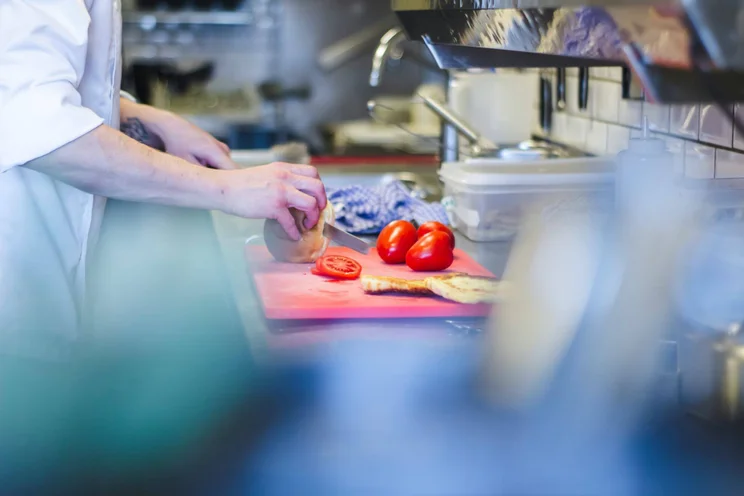
Food safety is one of the most rigorously regulated areas of business in the UK, and for good reason. Slipping standards in the kitchen could easily result in serious consequences, involving fines and irreparable harm to your reputation.
There’s no excuse for not adhering to the absolute letter of the law when it comes to food safety in the food and beverage industry. Yet, many UK kitchens are making easily avoidable mistakes. These are some of the most common causes of potential fines, and how you can avoid them.
- It’s your legal responsibility as the business owner to understand and adhere to all food regulations, such as the Food Safety Act 1990.
- Cross-contamination is one of the most common mistakes in commercial kitchens, so keep raw and cooked food apart.
- 8 – 63°C is what is regarded as the temperature danger zone. You should always keep your food temperature at a safe level.
- Make sure all your staff are fully trained and you have implemented a clear handwashing policy.
- Regularly take out waste, and make sure your kitchen is properly sanitised, or you could have a pest problem.
What are the food safety laws in the UK?
The first thing to know is that legal accountability for compliance with all food safety regulations falls entirely on the business owner or operator. So, you need to make sure you’re up to speed.
You can find more information in our full Food Safety Guide, but the main food safety laws you’ll need to be aware of as a business owner are:
- Food Safety Act 1990
- Food Hygiene Regulations 2006
- Regulation (EC) 852/2004 (also known as the “Hygiene of Foodstuffs” regulation)
- Traceability and labelling regulations
All small businesses in the UK should be following the food safety management procedures set out by Safer food, better business (SFBB). Just remember the “4’Cs”:
- Cross-contamination
- Cleaning
- Chilling
- Cooking
What are the most common food safety mistakes?
There’s no set amount fine for food safety breaches in the UK; fines are levied on a case-by-case basis, but can be in the thousands. A magistrates’ court can impose a fine of up to £20,000, and in extreme cases it can even lead to a prison sentence.
So if you’re starting a restaurant, you should be doing your due diligence and familiarising yourself with the legal requirements for small business owners as breaching these laws can be extremely serious.
We’ve highlighted some of the most common (and potentially catastrophic) kitchen mistakes below, so you can steer clear of them:
1. Cross-contamination
Cross-contamination occurs when bacteria or other microorganisms are unknowingly transferred from one item to another. One of the most common kitchen mistakes is transferring harmful bacteria from raw food to cooked food.
However, cross-contamination can also result from equipment-to-food or person-to-food. Make sure you use separate utensils for raw and cooked food. A good tip is to use colour-coded utensils to avoid mishaps.
You should also regularly and rigorously clean all your kitchen equipment, and ensure staff continue to wash their hands regularly. This is the best defence against cross-contamination.
All food business owners have a legal and ethical duty to ensure they are managing allergens correctly. Businesses are required to take the correct measures to prevent cross-contamination, and inform customers of the presence of the 14 specified allergens in the food being served.
It’s critical for business owners to also be aware of Natasha’s Law. This is in relation to Prepacked for Direct Sale (PPDS) food. All PPDS must include food labels with a full ingredient list, with allergens clearly emphasised. This to ensure customers with allergies are aware of any risks up-front.
2. Food is being stored at the incorrect temperature
Another of the most common mistakes being made in kitchen environments is not usingthermometers to measure the temperature of your food to ensure it’s at a safe level, and storing it with clear labelling.
Food sitting at a temperature of 8 – 63°C is what is regarded as the “Danger Zone“, where harmful bacteria will grow. Also, you should never leave your hot foot uncovered.
Avoid overcrowding in storage spaces, as this can restrict airflow. Remember that it is a requirement for:
- Fridge temperatures to be maintained below 8 °C (between 3°C to 5°C is considered optimal)
- Freezer temperatures to be maintained below -18 °C
The best way of maintaining food hygiene and safety procedures in your kitchen is by following the principles of Hazard Analysis and Critical Control Point (HACCP).
This system involves closely analysing your business and flagging critical areas that are prone to risk. It ensures that the correct safety procedures are implemented and met.
3. Your food is undercooked
If you’re not properly cooking your food, it can result in foodborne illnesses caused by harmful bacteria like. E. coli or Salmonella. You should consider using thermometers to measure the temperature of your food to check if it’s safe to serve.
Common practice is to cook food until it has reached a core temperature of 70°C for two minutes. When cooking meat, you should check that the juices run clear and that the food is steaming hot throughout.
The best way to ensure you’re consistently serving food that’s safe to eat is with a Food Safety Management System (FSMS). This is a legal requirement, and you need to regularly update and review your FSMS to make sure you’re up to code and the food you’re providing is properly prepared.
4. Your staff are practicing poor hygiene standards
Ensure you have a clear handwashing policy that your staff are adhering to throughout the work day, with each hand wash lasting a minimum of 30 seconds. Your staff should also be wearing clean work clothes.
Bad hygiene standards from your staff can often be a result of a lack of proper training. Make sure you implement a comprehensive training and onboarding system for all kitchen staff. They need to know the basics, as businesses can get caught out for slips like staff eating in the kitchen.
All your staff should know the food safety standards required in a kitchen, and the consequences of failing to meet them. A Level 2 Food Hygiene Certificate is the standard, required qualification for most food handlers.
It can seem like a lot to keep up with, as a lot goes into keeping a clean and efficient kitchen. But you can find a full breakdown of the rules and regulations you need to know in our guide to food safety for F&B owners.
5. You’re attracting pests
You should take immediate action upon the first sign of any pests by contacting a pest control specialist. Pests can contaminate food, so you need to deal with them without delay. One of the key causes of pests is an unclean work environment.
Typically, pests need food, water, and a place to hide in order to thrive. Make sure you’re not creating a hospitable environment for vermin and other nasties by leaving crumbs and food waste in your workspace. Consider paying to pest-proof your premises.
Thoroughly sanitise your kitchen and implement a regular and effective cleaning schedule. Make sure to consistently take out refuse, and always keep your waste area separate from your cooking area.
You don’t want your business to wind up as a cautionary horror tale. Take a look at these egregious examples of food safety catastrophes. Just don’t read them while you’re eating!
- The fish and chip shop in Lincolnshire that was hit with a four-figure fine
- The Burger King in Florida that lost its crown due to raw sewage in the kitchen
- The takeaway in Lancashire, where health inspectors discovered what appeared to be a deep-fried rat
- The Chinese takeaway in Grimsby that had raw meat in the sink
- The managing director, who was fined £20,000 for 12 hygiene breaches
Whether you’re just starting a cafe, a takeaway business, or you have dreams of a multi-chain restaurant, you need to know and follow the food and safety regulations in the UK to the letter. Make sure your kitchen is well-organised, sanitised, and that your staff are trained. Keep a clear record of everything.
Otherwise, it won’t just be poor customer feedback you need to worry about; you could be facing fines, being closed down, or potentially even criminal prosecution.


