

No matter how small your operation, a website is essential for any modern business. But how much should you budget for your business website costs?
Startups.co.uk is reader supported – we may earn a commission from our recommendations, at no extra cost to you and without impacting our editorial impartiality.
Featured: Hostinger – best for AI

Wix – best overall website builder

Shopify – best for expanding shops

When building a business website, costs can be as little as £1.99 per month with a website builder subscription and over £10,000 for a bespoke design.
However, the plain answer it that it depends. Whether you choose super cheap DIY builders or hire a designer for a fully bespoke website, the price of your business website can vary massively depending on what you need and how you build it.
The good news is you don’t need to overspend to get something professional. In fact, many small businesses can launch a solid website for just a few pounds a month, while others may need to invest more for custom features and scalability.
Either way, this guide breaks down the real costs involved, compares the options available, and helps you figure out exactly what you should be paying.
- Website builders are an affordable option for most small businesses, with prices ranging from £1.99 to £259 per month.
- While it’s possible to build a website at no cost, free website builders have limited features, no custom domains, and show ads.
- WordPress offers more flexibility than a website builder, but requires more technical knowledge, with costs ranging from around £36 to £432 per year.
- Hiring a web designer is the most expensive option, with costs from £300 to £10,000+ upfront, and is best suited to businesses needing a complex bespoke site.
- Remember to budget for ongoing costs, not just the initial price of the build, including domain name renewal and hosting.
- Some cost-cutting tips include using a CMS, picking scalable plans, and using free SEO tools.
This article will cover:
- How much does a website cost?
- Can I create a website for free?
- How much do website builders cost?
- How much does WordPress cost?
- How much does hiring a web designer cost?
- How much are ongoing website maintenance and operating costs?
- Five ways to save on business website costs
- Verdict: should I use a website builder or a web designer?
We’ve updated this page so it reflects the latest pricing for each website building method. However, we recommend confirming pricing with any website builder or designer you might use, or with WordPress, before making any purchasing decisions for your business.
How much does a website cost?
The cost of building a website can be anywhere from £1.99 per month to over £10,000 upfront.
However, it ultimately depends on how you create it – whether that’s using a website builder, WordPress, or hiring a website designer. Plus, there are additional hosting costs to consider, such as purchasing a domain name and plugins.
Here’s a look at the typical costs involved with building a website:
- Website builder – from £1.99 per month
- WordPress – from £36-£1,000 per year
- Hiring a web designer – ranges from £300-£10,000+, depending on what you’re asking for
Can I create a website for free?
Yes, you can build a website for free but I don’t recommend this option for small businesses looking to scale online. Plenty of website builders, such as Wix or GoDaddy, offer free plans, but these plans come with significant drawbacks.
Free website builders are very limited in terms of the features you can use and often splash ads across your site. You also can’t customise your domain name, which isn’t ideal as it can make your business look amateur and unprofessional.

Using a free plan to test out a website builder before committing to a premium plan is fine, but it’s worth spending a little extra to unlock advanced features and remove ads.
How much do website builders cost?
Website builder plans cost between £1.99 and £259 per month, depending on the scale of features and ecommerce capabilities required.
This is because most providers have scaled pre-packaged options to suit various budgets, ranging from a basic, easy-to-use website builder to advanced ecommerce plans for growing online stores.
Most website builders advertise their plans on an annual subscription basis, so you’ll pay for a year in full when you sign up. You can also choose to pay monthly, but this will cost you more in the long run.
For example, when looking at Wix’s cheapest plan, the annual price would drive my monthly cost down to £9 per month. However, if I paid month-by-month, Wix’s cheapest plan would cost me £11.50 per month.
I’ve tested and reviewed the best website builders on the market, and you can get a quick summary of our top five and their prices in the table below:
|
Overall score
Based on our in-depth research and user testing
|
Starting price
|
Cheapest ecommerce plan
|
Free trial or plan
|
Transaction fees
|
Number of templates
|
AI website builder
|
||
|---|---|---|---|---|---|---|---|---|
|
FEATURED PROVIDER
 |
 |
 |
 |
 |
||||
|
Hostinger |
Wix |
Squarespace |
GoDaddy |
Shopify |
||||
|
4.3
|
4.9
|
4.6
|
4.2
|
4.2
|
||||
|
|
|
|
|
|||||
|
£3.99/month |
£16/month |
£12/month |
£13.99/month |
£19/month |
||||
|
14-day free trial |
Free plan |
14-day free trial |
Free plan |
3-day free trial |
||||
|
0% |
2.1% + 20p |
0%-7% (depending on what you sell), plus a 1.5%-2% + 25p card processing rate |
Not shared publicly – you’ll need to contact GoDaddy |
1.5%-2% + 25p |
||||
|
400+ templates |
2,000+ templates |
150+ templates |
200+ templates |
200+ templates |
||||
|
|
|
|
|
|
Note on our scoring: each builder’s overall score is based on functionality, design features, help and support, reputation among users, pricing, and user experience.
From our extensive research, Squarespace and GoDaddy are the best value builders. Their plans are very affordable without sacrificing the number or quality of features on offer. That said, all of our top builders are cheaper alternatives than using WordPress or hiring a web designer.
Should I use a website builder?
- Suitable for most businesses and industries, offering a fast way to get online
- The cheapest way to create a site, and you don’t need to pay for everything separately
- Scalable, as you can unlock more features when you upgrade your plan
- You don’t need any coding knowledge or prior building experience
- It takes time to get used to a builder and create your site from scratch
- Not ideal if you need advanced technical functionality, freedom and control
- You have to commit to a long-term subscription to save money – monthly plans cost more
How much does WordPress cost?
For WordPress, you can expect to pay anywhere from £36 to £432 per year, depending on your hosting provider, apps, and template.
However, WordPress is cheaper than hiring a website designer but gives you more control than a website builder. When trying it myself, I found it easy enough to create a decent website without having to learn code, but it was less beginner-friendly than using a website builder.
With WordPress, there are thousands of themes and plugins for extra functionality, depending on the needs of your business and the size of your budget. But that’s the primary drawback to using WordPress – the add-ons can bump your monthly costs up quickly.
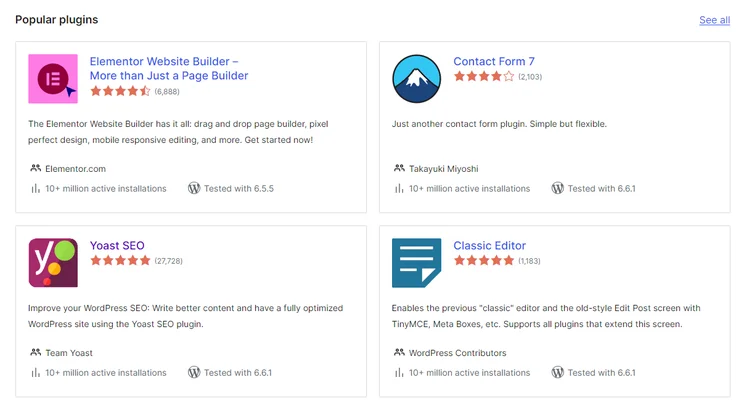
Overall, though, WordPress’s only guaranteed costs are your own hosting and domain name. The rest (such as ecommerce and social media integrations) are optional.
Should I build a website with WordPress?
- Great if you're on a budget – choose to spend as much or as little as you want
- If you have the time and ability, you can develop an advanced and unique website
- Requires a certain skill level to use, and isn't completely beginner-friendly
- No built-in features, so you’ll have to research, download, and pay for extra functionality
- Many additional costs to consider, such as security, hosting, domain names, and support
How much does hiring a web designer cost?
A web designer could cost your business around £300-£1,000 for a basic website, whereas a custom or bespoke website could cost you £10,000+.
Hiring a web designer can be a great option for businesses that have expansive budgets and are looking for a bespoke website. The upfront cost varies depending on the type of website, the designer’s experience, and what you’re asking for.
Web design agencies typically charge you on an hourly basis. Chameleon Studios, a Cambridge-based marketing agency, gave us insight into a rough price list for web design depending on the type of agency you use:
- Offshore company – £10-£25 per hour
- Freelance web designer – £25-£50 per hour
- Small web agency – £50-£150 per hour
- Large web agency – £75-£200+ per hour
A typical small business website development project requires approximately 12 weeks of agency labour, so you’re looking at a total price of £6,000 to £96,000 for the development of your business site.

The more pages and functionality your website requires, the longer it will take to build and the more it will cost.
Plus, using a web designer to create your site only covers that: the creation of your site. You’ll still need to pay for the additional running costs (which I’ll go into more detail about later).
Our guide to finding a web designer includes more tips for locating the perfect web design agency to create your small business site.
Should I hire a web designer?
- Worth investing if you need complex functionalities and a specific design
- Frees up your time to work on other business matters
- A good choice for large online stores that have unique requirements
- The priciest way to create a small business site
- Choosing the wrong designer can cost more later to fix mistakes
- You’ll need to invest the time to research agencies and designers to find the right fit
- You’ll still need to pay the usual website running costs
If you have a creative eye, I recommend working with a website designer after you have selected your website colour scheme and theme. Preselecting a theme will dramatically speed up ideation time for the designer, which will also save you money.
How much are ongoing website maintenance and operating costs?
The cost of setting up a website can seem quite low. However, the cost of operating your website is a whole other matter. Once your site starts picking up more traffic, you’ll require more resources to keep it running.
That’s why there are some additional price tags to consider. In most instances, a website builder will bundle these costs into your subscription.
| Domain name | A custom domain will make your site appear more professional and build brand awareness. | £8-20+ per year |
| Hosting | If you don’t use a website builder, you’ll need to pay for web hosting separately to ensure your site can go live. | £20-£300+ per year |
| Apps and plugins | You might need to install extra functionality from a third-party app or plugin, such as Mailchimp. | £0-£100+ per month |
| Themes | Some website templates come with a one-time price tag to use, but you can get a lot of themes for free, depending on the builder. | £0-£400+ upfront |
| Security | It’s important to keep your website safe from harm and your data protected with SSL certificates, fraud detection, and other security measures. | £0-£1,000+ per year |
| SEO | If you need a helping hand to optimise your website, you might want to hire an SEO specialist. This includes generative engine optimisation (GEO) to ensure your site is the ‘trusted source’ that AI models like ChatGPT and Google Gemini cite in their answers. | £150-£1,200+ per month |
| Images | You need eye-catching visuals on your site and access to royalty-free images or stock libraries which often requires a subscription. However, generative AI imagery through tools like Midjourney, DALL-E 3 can help save the costs for imagery. | £20-£150+ per month |
Watch out for the cost of domain name renewal, especially if you opt for a website builder.
Most major website builders, including Wix, include a free domain name for the first year which then automatically renews 30 days before the expiry date for an added fee.
For instance, a .co.uk domain with Wix costs between £10-£20 per year. With Shopify, though, you’ll need to pay for your domain name separately from the start of your subscription, as it’s not included in your plan.
Five ways to save on business website costs
It’s possible to build a world-class website for less than £500. If you’re working to a strict budget, here are five easy ways to keep your costs down during development:
- DIY it by using a CMS like WordPress, or learning some HTML skills, so you can make basic updates to your website without needing a developer.
- Shop around for affordable service providers for hosting, domain registration, and building services.
- Know your must-have features and functionalities, and search for the plan that offers them all at the best price.
- Plan for the future. It can be very costly to migrate a website. Look for a provider with scalable plans and a clear path to upgrade.
- Use free search engine optimisation (SEO) and marketing tools like Google Trends to avoid forking out hundreds for technical consultants. AI-powered audience sentiment and SEO tools like Brand24 and SproutSocial also show the emotional intent behind the data.
Verdict: should I use a website builder or a web designer?
From my testing, using a website builder is a quick, easy, and affordable way to get your small business site up and running. Plus, you can start with a basic, cheap plan and then scale up if you need to.
For many SMEs in 2026, AI website builders are also a good option, as these tools can create professional-looking and SEO-friendly sites without the need to hire a designer.
On the other hand, using a web designer will guarantee a bespoke website – the equivalent of paying for a tailored suit instead of buying off the rack. You’ll pay more, but you’ll end up with something crafted to your exact specifications. WordPress is the best of both worlds. If you want more control and don’t mind paying for extra functionality, it could be the right choice for you.
Who do we recommend a website builder for?
We recommend website builders for businesses that largely operate offline (such as cafés, restaurants, and salons). You should also use a website builder that offers point-of-sale (POS) integration, as a website that doesn’t sync in real-time with your physical till is a major liability.
Additionally, website builders are the best choice if you’re running your website as a side hustle (such as dropshipping). It’s an easy, low-cost way to build your internet profile without requiring tonnes of effort and long-term maintenance.
Who do we recommend a website designer for?
Businesses based entirely online, such as those selling courses or running a full-time ecommerce site, should consider bringing a website designer on board. For these firms, your website is your sole revenue stream, and using a third-party expert will guarantee you get a premium, professional website to maximise profits.
Our guide to the best website builders for small businesses may help you to choose between DIY or designer. Whatever you decide, make sure to consider your budget, business needs, and what you want out of your website.
This article was first published in 2019 and has been updated regularly to reflect the most accurate results from our website builder testing. The latest update was in March 2026.
Website builders are the cheapest way to build a business website, with plans costing between £1.99 to £259. Top providers include Wix, Hostinger, Squarespace, and Shopify.
Yes, as some platforms like Wix and GoDaddy offer free plans. However, these typically come with limitations, such as displaying the provider’s branding/ads on your site, no custom domain name, and limited storage and features.
Yes. Website builders are often the best choice for SMEs because they’re affordable, easy to use, and include essential features without needing technical skills or a large budget.
Typical costs for WordPress range from £36 to £432 per year.
Hiring an expert is the most expensive route, typically starting from £300 to £10,000+. Hourly rates vary by experience level.
Recurring expenses include a domain name, hosting, SEO and marketing, and SSL certificates.
Yes, if you want a professional-looking site. Domains typically cost £8-£20 per year, and many website builders offer a free domain for the first year before charging renewal fees.
Startups.co.uk is reader-supported. If you make a purchase through the links on our site, we may earn a commission from the retailers of the products we have reviewed. This helps Startups.co.uk to provide free reviews for our readers. It has no additional cost to you, and never affects the editorial independence of our reviews.


