
Pubs and shops get rates relief and founders get a tax break, while employer NI, VAT and energy costs stay put. Experts weigh up the Budget’s details.
- From April 2027, 70,000 more retail, hospitality and leisure businesses will be taken out of business rates as the relief threshold rises from £12,000 to £18,000.
- Employer National Insurance hasn’t changed, the VAT threshold stays at £90,000, and most energy support goes to households and heavy industry.
- The trading allowance triples to £3,000, and a new Founders’ Relief cuts Capital Gains Tax to 10% on up to £10 million of lifetime gains.
- Experts are split. Some praise the founder measures, while others call the package “piecemeal” and warn support may not reach most small businesses.
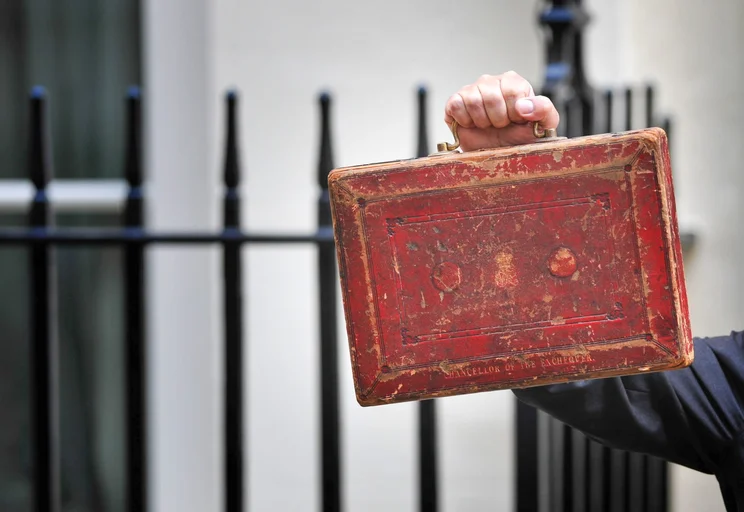
Chancellor John Healey’s first Budget promised “breathing space” for small businesses. But according to the experts we spoke to, opinions are split on how much they will actually get.
There are clear wins. 70,000 more retail, hospitality and leisure businesses will be taken out of business rates, the trading allowance triples to £3,000, and a new Founders’ Relief puts a 10% Capital Gains Tax rate on up to £10 million of lifetime gains.
However, National Insurance hasn’t moved, the VAT threshold stays at £90,000, and most energy support goes to households and heavy industry, rather than small businesses.
We spoke to business academics and self-employed representatives who have been weighing up the details. Here is what they say the Budget means for hospitality businesses, online sellers, freelancers, and founders.
Hospitality rates relief is coming, but wage and energy pressures remain
The biggest change for hospitality is business rates. From April 2027, the Small Business Rates Relief threshold for retail, hospitality and leisure properties in England will rise from £12,000 to £18,000 rateable value. The Treasury says this will take around 70,000 more businesses out of business rates altogether.
Every other retail, hospitality and leisure property will get a two-year real-terms freeze. That comes on top of the 20% cut for pubs and most live music venues announced in July.
But what do the experts make of it? Dr Steve Nolan, senior lecturer in economics at Liverpool Business School, tells us the Budget “went roughly halfway to meeting the FSB ask” of a £25,000 threshold. He also warns that “it isn’t the business owners that win from this policy”, because rents tend to rise in response.
Outside of business rate reforms, some major costs are still going up. The National Living Wage will rise 3.9% to £13.21 an hour. Nolan says the smaller rise for younger workers “will be welcomed”, but there was “no movement on employers’ NICs”.
Professor Jagannadha Pawan Tamvada of Kingston Business School agrees, saying labour-intensive small businesses “see no relief on employer NI while facing more in labour costs”.
Energy is another gap. Nolan says most of the limited relief “has been aimed at households and heavy industry rather than small businesses”.
Ultimately, Professor Ross Brown of St Andrews Business School acknowledges the “support for existing struggling SMEs”, but tells us that measures like this are “likely to prove of little longer-term benefit unless firms can use this relief to grow in future”.
Online sellers get a VAT crackdown and parcel help, but no threshold change
For online sellers, the main change is who collects VAT. From October 2027, online marketplaces will be responsible for collecting VAT on qualifying sales by UK businesses using their platforms.
The Treasury says this will tackle evasion that undercuts honest firms, and it will help pay for the business rates package. It hasn’t yet said which sales will qualify.
The bigger story might be what didn’t happen. Dr Steve Nolan of Liverpool Business School calls VAT “very much a big dog that didn’t bark”. The registration threshold, he says, “stayed put at £90,000”.
There is some practical help for sellers, though. 1,000 Post Office parcel drop boxes will be rolled out and 600 branches upgraded by the end of the financial year, and the 5p fuel duty cut is extended by six months, which may help with delivery costs.
Trading allowance triples, but experts split on whether it goes far enough
There are a few wins for the self-employed. The trading allowance will triple from £1,000 to £3,000, there’s a new Young Entrepreneurs Allowance covering a year of living costs, parental pay is extended to self-employed dads and partners, and tax-free mileage rates are going up permanently.
However, the experts we spoke to were split on whether these changes go far enough. Professor Ross Brown of St Andrews Business School says the allowance and the new scale-up support for female founders are “likely to prove attractive for some young and female entrepreneurs”.
Professor Jagannadha Pawan Tamvada of Kingston Business School tells us that the higher trading allowance “could lower the barrier to testing an idea before quitting a job”, and calls the Young Entrepreneurs Allowance “a new and unusual measure in the UK”. Yet, he warns that “the finer details on who qualifies and who decides who qualifies will matter significantly”.
IPSE, the UK’s Self-Employed Association, also gave a mixed verdict. Josh Toovey, head of policy and research, says: “Some of these tweaks are genuinely helpful. But taken together… they don’t go anywhere near far enough. The biggest problem facing the self-employed is finding work.”
He says the high cost of hiring is “forcing businesses to postpone projects and other activities that spur growth in the self-employed sector. Nothing in this Budget fixes that.”
Founders get the biggest boost, but experts question who it reaches
Founders are the clearest winners. The new Founders’ Relief will set a 10% Capital Gains Tax rate on up to £10 million of lifetime gains for eligible founders of high-growth, innovative companies.
Tamvada of Kingston Business School praises the proposal for going “further than the Startup Coalition asked for”, telling us it “could save up to about £1.4m per founder on a £10m gain” compared with the 24% rate. He adds that it “strengthens the case for building and exiting in the UK”.
Yet, business owners who sell up get less. The lifetime limit on Business Asset Disposal Relief has been halved from £1 million to £500,000.
That raises the question of who the support actually reaches. Professor Jennie Shorley, academic director of the Centre for Enterprise at Manchester Metropolitan University Business School, explains that “measures to encourage founders and investment matter, but we must ensure that support reaches the breadth of our SME community, not just a small number of high-growth businesses.”
Brown goes further, calling it “quite a piecemeal budget for entrepreneurs rather than a radical new policy offering”.
Nolan is more sceptical. He points out there is little evidence that targeted reliefs like this boost entrepreneurship, and is concerned about the size of the bill, emphasising that the earlier Entrepreneurs’ Relief was costed at £200m a year at first but ended up costing £2.7 billion.
The Budget gives small businesses some real help, but experts say much of it is targeted, and clear gaps remain. How far it helps will depend on which part of the economy you work in, so here is a rundown of what to look at first.
- Hospitality owners: Check your property’s rateable value against the new £18,000 threshold. If you’re under it, you could be out of business rates altogether from April. If you’re over, the two-year real-terms freeze applies. Either way, budget for the higher wage bill.
- Online sellers: Find out how your marketplace plans to handle VAT collection ahead of October 2027. The Treasury hasn’t said which sales will qualify, so watch for details.
- Freelancers and sole traders: Compare your expenses with the new £3,000 trading allowance to see which works better for you. Check whether Making Tax Digital will apply to you.
- Founders and owners planning an exit: Check whether you could qualify for Founders’ Relief, and bear in mind the halved Business Asset Disposal Relief limit before you sell.


