
As Starmer makes plans to step down, could an Andy Burnham Prime Ministership offer hope for struggling independent businesses?
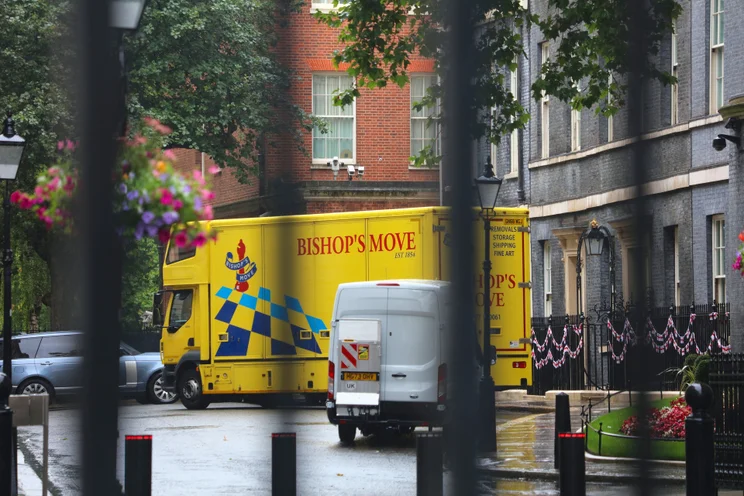
Keir Starmer’s resignation has thrown Westminster into uncertainty, but for small business owners, the focus is already shifting to what comes next.
Andy Burnham, Starmer’s likely successor, claims Labour has previously “got it wrong on business” and has been a vocal supporter of measures aimed at helping retail and hospitality businesses, like reviving the high street and lowering business rates.
At present, of course, there’s no formal manifesto or plan in place, so what we can discern about Burnham’s policy platform largely comes from statements made during the Makerfield by-election period, as well as his time as the Mayor of Greater Manchester. So, here’s what Labour’s latest shake-up could mean for small businesses on the ground.
Keir Starmer: a rose or a thorn for small businesses?
Since Starmer’s landslide victory in 2024, his government has made a series of changes affecting small businesses, receiving a mixed reception from the sector.
One of its most popular actions has been creating legislation to tackle late payments. The bill, currently progressing through Parliament, would cap payment terms at 60 days for large companies dealing with SMEs and sole traders, and introduce penalties for persistent late payers. With UK small businesses owed, by some estimations, £70.4bn in late payments, the reforms have been widely welcomed as a step towards creating fairer trading relationships.
Starmer’s government also made efforts to support hiring challenges in the hospitality industry by making improvements to the government’s hospitality apprenticeship scheme. The £725m reform package saw the removal of the 5% levy on apprenticeships for under-25s, and the introduction of foundation apprenticeships for younger and lower-skilled entrants.
But not all of Labour’s reforms have been received well by small businesses in particular. The party’s Employment Rights Act, which strengthens workers’ rights through measures such as day-one sick pay and more secure contracts, is a prime example. While supporters credit the legislation for improving job security, critics have noted that it disproportionately disadvantages small businesses by driving up operating costs, while reducing flexibility when it comes to making staffing decisions.
Changes to the rateable value of properties, on the other hand, remain one of Labour’s biggest sticking points among SMEs. The party initially promised to replace business rates with a fairer business property tax system, but ultimately reformed the existing system instead.
While rates for many retail, hospitality, and leisure properties did drop from April 2026, the withdrawal of generous Covid-era relief schemes resulted in some businesses facing higher bills than they would have been accustomed to. This ultimately led many to complain that the government’s approach did not have the interests of small businesses at heart.
Crucially, these changes were all part of Chancellor Rachel Reeves’ economic plan. There were murmurs some weeks ago that Burnham was considering keeping her on if he were to take a spot at the helm of government – she has, to an extent, maintained market confidence in a way he would presumably like to preserve – but successors are already being discussed openly.
If the fledgling PM decides to ditch Reeves and reshuffle the cabinet pack more broadly, which is highly likely, a clear question emerges: what will these changes mean in practical terms for UK businesses?
Burnham’s biggest pledge is to cut business rates
During the by-election campaign, Burnham proposed a 20% reduction in business rates for pubs, clubs and music venues.
He also suggested raising the threshold at which businesses begin paying rates, potentially removing thousands of smaller retailers and hospitality firms from the system altogether.
The policy is designed to address what Burnham sees as an unfair advantage enjoyed by large online retailers. To fund the tax cuts, he has proposed increasing rates on large out-of-town distribution centres and warehouses used by ecommerce giants like Amazon, shifting more of the tax burden away from town centre businesses.
For small hospitality firms in particular, lower business rates could provide welcome relief at a time when operators are grappling with rising wage costs, high energy bills and weaker consumer spending.
In addition, Burnham has made proposals to slash the value-added tax (VAT) contribution for hospitality businesses when he becomes Prime Minister. The plans have already received praise from leading chefs, including Tom Kerridge, who told The Guardian that Burnham’s proposed changes show that he “is somebody who understands nightlife, food, hospitality and entertainment”.
These reforms chime with the MP’s criticism of the increase in employers’ National Insurance Contributions introduced in the 2024 Budget, and his support for reducing some of those costs for businesses.
A renewed focus on high streets and independent businesses
Alongside business rates reform, Burnham is expected to place greater emphasis on reviving Britain’s high streets.
One likely area of focus is bringing vacant retail units back into use. Burnham has previously supported measures to make town centres more attractive, with a mix of shops, leisure venues and housing aimed at drawing more people into local communities.
He has also signalled that he wants tougher action on illegal stores and unregulated vape shops, with plans for stronger enforcement and tighter licensing rules to protect legitimate retailers and improve the quality of high street offerings.
For brick-and-mortar retailers, this could be good news. Higher footfall, improved town centres and lower occupancy costs could help independent shops compete more effectively with online rivals.
However, some businesses may be disappointed if high street support comes at the expense of wider reforms. Regeneration projects can take years to deliver, meaning retailers facing immediate pressures such as rising wages, energy costs and weak consumer spending may see little short-term benefit.
A long way still to go
Ultimately, Burnham’s agenda points to a clearer shift toward protecting the high street and small independent businesses, but the real test will be whether those ambitions can deliver meaningful relief in time to ease day-to-day pressures.
While many of his statements, such as a desire to slash VAT, have gone down well in sectors such as hospitality, some tax experts aren’t convinced that doing so is really the medicine restaurants, bars and pubs really need. It will also mean £12bn has to be recouped from somewhere else in the economy. Tough decisions will have to be made, and at the national level, the stakes are, of course, significantly higher.
Although it’s feeling more and more like a formality, there is still a Labour leadership contest to win (allegedly). And, while many expect Burnham to coast into No.10 with an heir of messianic inevitability about him, for all we know, there could be further twists and turns to come.


